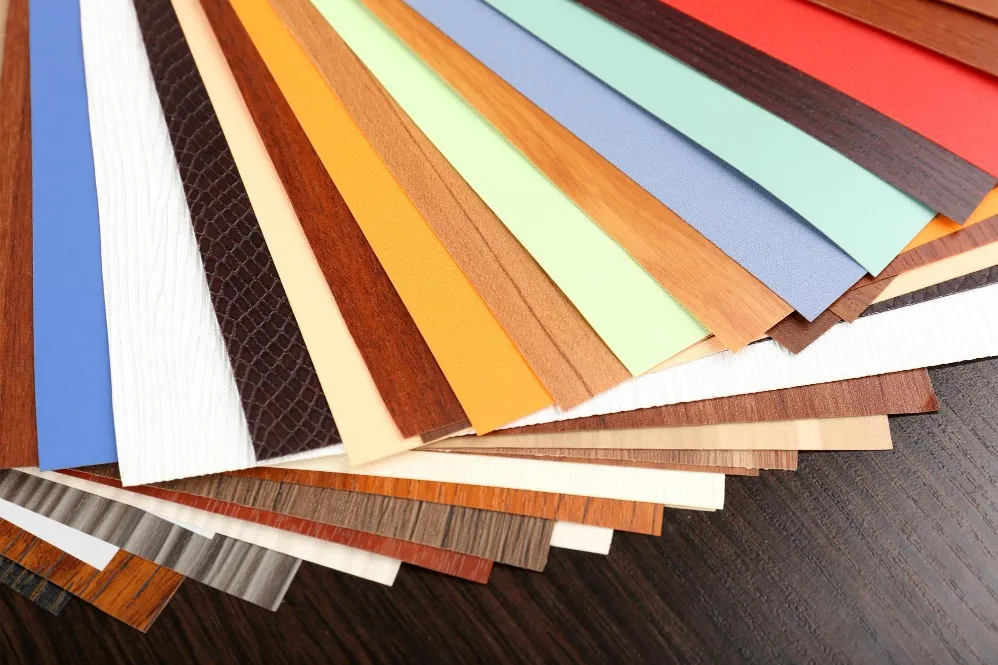
Decorative laminates are widely used for furniture and interior surfaces because they combine visual variety with manageable maintenance. They are available in numerous colours, textures and patterns, making them suitable for homes, offices, retail stores, restaurants, educational spaces and healthcare environments.
Their value lies in the ability to create a consistent decorative finish across plywood or another suitable substrate.
What Are Decorative Laminates
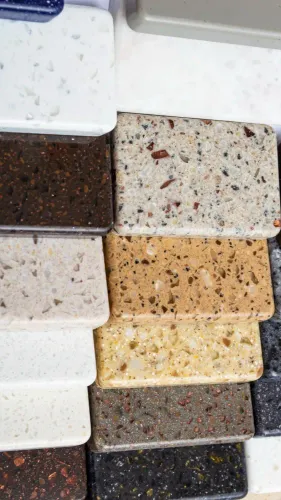
A decorative laminate is a manufactured surface sheet designed to be bonded onto a stable base material. Its upper layer provides colour and texture, while the supporting layers contribute to the construction of the sheet.
Common design options include:
- Solid colours
- Wood-inspired patterns
- Stone effects
- Abstract designs
- Fabric textures
- Metallic finishes
- Matte surfaces
- Gloss surfaces
- Textured surfaces
This range allows designers to create different styles without relying on a single material throughout the interior.
Where Decorative Laminates Are Used
Laminates are suitable for many furniture applications, including:
- Wardrobe shutters
- Kitchen cabinets
- Office workstations
- Television units
- Study tables
- Retail counters
- Wall panels
- Storage cabinets
- Reception desks
The exact product should be selected according to the level of use and environmental exposure. A bedroom wardrobe does not experience the same conditions as a kitchen cabinet or shop counter.
Consistency Across Large Projects
One advantage of decorative laminates is visual consistency. Natural materials can vary from sheet to sheet, while laminates generally offer repeatable colours and patterns.
This makes them useful for real estate developments, office projects and retail environments where the same finish may be required across several rooms or furniture units.
Buyers should still confirm batch availability when ordering large quantities. Minor differences between production batches may become noticeable when sheets are installed next to each other.
Easy Material Coordination
Decorative laminates can be combined with veneer, glass, metal, stone and painted surfaces. They do not need to imitate every surrounding material.
For example, natural veneer may be used on a feature wall while complementary matte laminates are used for storage units. This approach controls costs and prevents the space from becoming visually heavy.
Maintenance Considerations
Different laminate finishes have different maintenance needs. Dark glossy finishes may show fingerprints, while deeply textured surfaces may hold dust more easily. Very light colours may require frequent cleaning in high-contact areas.
Before selecting a surface, consider who will use the space and how often it will be cleaned. A design for a quiet guest bedroom can prioritise appearance, while a busy commercial counter needs practical resistance to regular handling.
Cleaning instructions should be followed carefully. Abrasive materials and unsuitable chemicals can damage the surface.
The Importance of the Substrate
A laminate is only the visible part of a larger panel system. Its performance depends on the quality and suitability of the plywood or board beneath it.
The substrate must be selected according to moisture exposure, expected load, hardware and panel dimensions. Large shutters may need a balancing layer on the reverse side to support dimensional stability.
Correct adhesive application, pressing and edge finishing are equally important.
Selection for Pune Projects
Pune includes compact apartments, premium residences, corporate offices, hospitality establishments and expanding retail spaces. Each environment calls for a different balance of design, durability and budget.
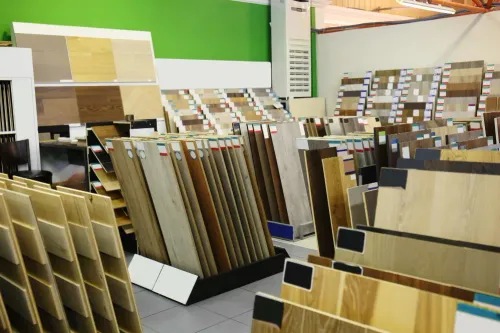
National Veneer and Ply helps project professionals and homeowners compare decorative laminates with suitable plywood and veneer options. Reviewing all visible materials together supports a more coherent interior scheme.
Decorative laminates work best when they are chosen for both appearance and application. Pattern, texture, substrate, edge treatment and maintenance should be evaluated as one system.
A thoughtful selection can deliver interiors that look organised, support daily use and remain easier to maintain over time.
Keywords