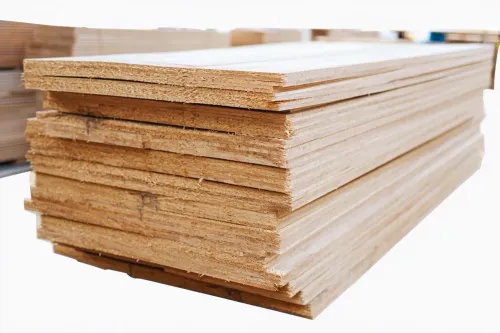
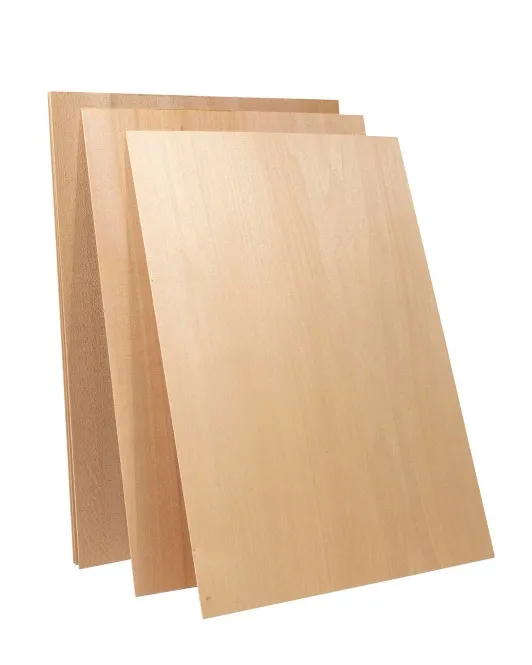
Premium material alone does not create premium furniture. The way plywood is measured, cut, joined, balanced and finished determines whether the completed piece looks precise and performs reliably. Good craftsmanship transforms flat sheets into furniture that feels stable, functions smoothly and retains its visual quality.
This distinction is especially important for customised interiors in Pune, where homeowners and commercial buyers often compare quotations without seeing the fabrication methods behind them.
Accurate Planning Comes First
Quality workmanship begins with detailed drawings and verified site measurements. Dimensions should account for skirting, wall variations, electrical points, plumbing lines and the movement of shutters or drawers.
A small measurement error can result in uneven fillers, blocked sockets or furniture that does not align with surrounding surfaces. Experienced fabricators check critical measurements before cutting expensive plywood or veneer.
Cutting Quality Affects Every Stage
Clean, square cuts are essential for accurate assembly. Chipped surfaces and uneven edges make it difficult to apply laminates, veneer or edge bands neatly.
Modern machinery can improve precision, but machines do not replace careful handling. Correct blades, feed rates and sheet support are still necessary. Each component should also be labelled to avoid confusion during assembly.
Joinery Determines Structural Strength
Furniture joints must be appropriate for the load and expected use. Screws placed without sufficient edge distance may split the plywood layers. Inadequate fixing can cause cabinets to loosen over time.
Good craftsmen consider:
- Direction of load
- Board thickness
- Screw length
- Hardware position
- Frequency of movement
- Need for future dismantling
- Reinforcement at high-stress points
A bed, wardrobe and display shelf should not all be assembled using an identical jointing approach.
Grain Alignment Requires Skill
When natural veneer is used, grain direction and sheet matching influence the entire appearance. Two attractive veneer sheets can look disorderly if joined without considering their patterns.
Craftsmen may use book matching, slip matching or carefully selected random matching depending on the design. Panels should be laid out and approved before pressing. Grain continuity across neighbouring shutters can make customised furniture appear considerably more refined.
Edge Finishing Reveals Workmanship
Edges are among the first places where weak fabrication becomes visible. Poorly applied edge bands may peel, collect dirt or leave sharp corners. Veneered edges require accurate lipping and careful polishing.
High-contact areas such as drawer fronts, desks and cabinet shutters deserve particularly close attention. A clean edge contributes to comfort as well as appearance.
Balanced Construction Supports Stability
Applying veneer or laminate to only one face of a large panel may create uneven tension. Suitable balancing material on the reverse side helps reduce the likelihood of bending.
This detail is often invisible after installation, but it demonstrates the difference between decorative assembly and technically informed furniture construction.
Finishing Should Enhance the Material
Veneer polishing requires surface preparation, controlled sanding and an appropriate coating system. Excessive sanding can damage thin veneer, while poor application may create cloudy patches or uneven sheen.
The finish should highlight the natural grain while providing protection suitable for the space. Samples are useful because colour and sheen can look different under actual project lighting.
National Veneer and Ply supplies veneer and plywood for furniture and interior projects in Pune. When designers, suppliers and craftsmen coordinate early, they can match the material specification with the fabrication process more effectively.
Buyers assessing furniture quotations should therefore ask how the work will be produced, not only which plywood brand or decorative finish will be used. Skilled craftsmanship reduces waste, supports durability and gives the final interior a level of refinement that material selection alone cannot provide.
Keywords