
Plywood
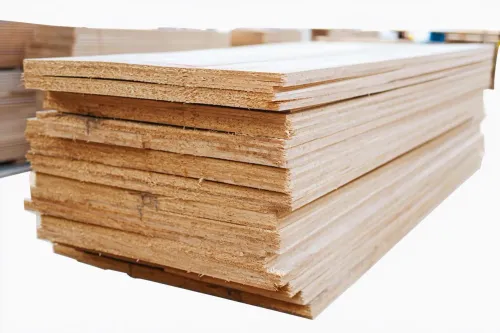
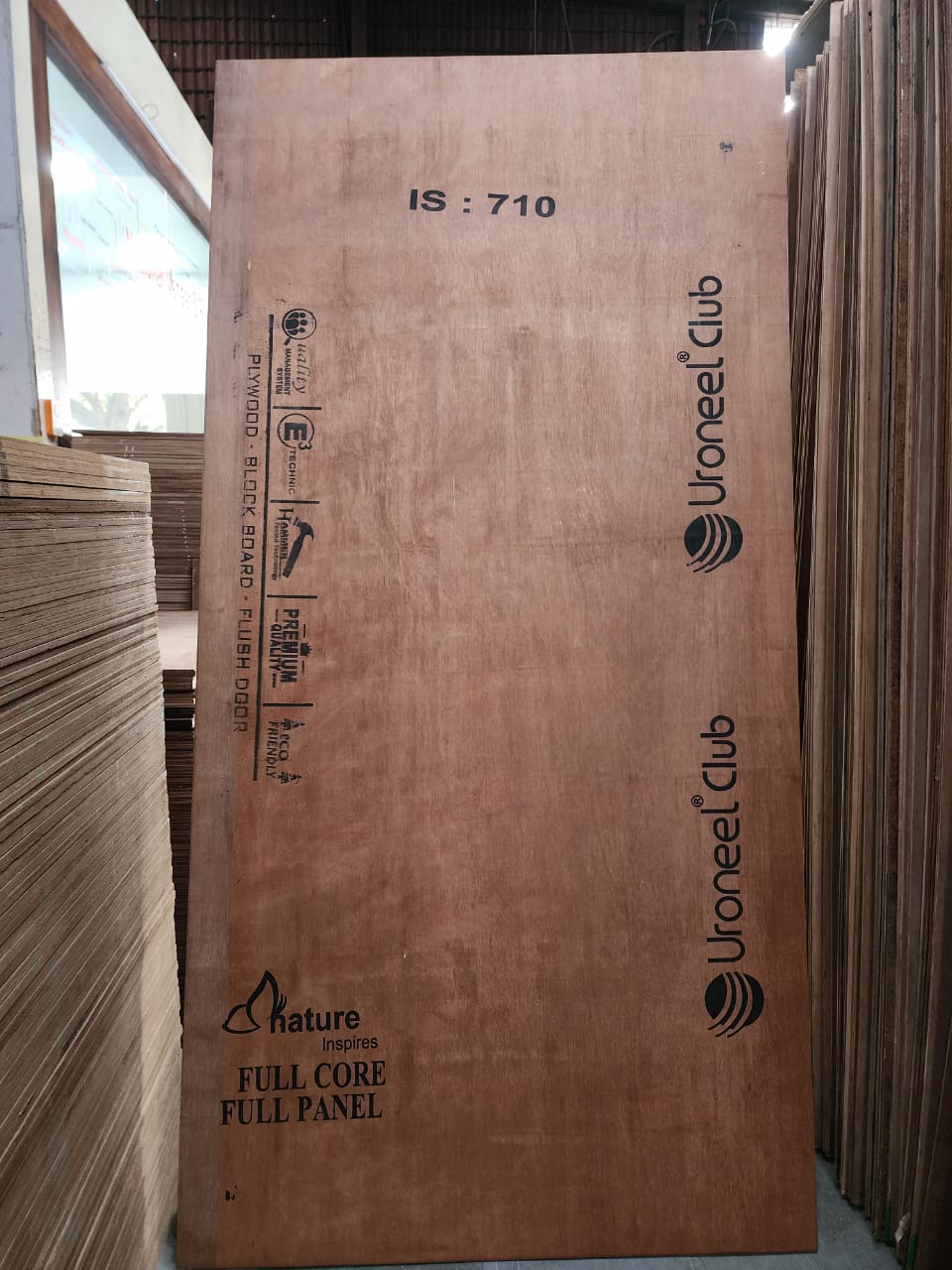
Plywood is a type of engineered wood made by gluing together thin layers (or "plies") of wood veneer. The grain of each layer is rotated up to 90 degrees to the adjacent layer, which increases its strength and stability. Here's a detailed description:
1. Structure
- Layers (Plies): Usually odd-numbered (3, 5, 7, etc.) to ensure balance.
- Core: Can be made of softwood, hardwood, or a combination.
- Face Veneer: The top visible layer, usually of higher quality.
2. Types of Plywood
- Softwood Plywood: Made from pine, fir, or spruce; used in construction.
- Hardwood Plywood: Made from oak, birch, or teak; used in furniture.
- Marine Plywood: High-quality, water-resistant, suitable for moist environments.
- Flexible Plywood: Designed to bend easily; used for curved structures.
- Fire-Retardant Plywood: Treated with chemicals to resist flames.
3. Grades
- Graded based on the quality of the face and back veneers:
- A: Smooth, paintable surface.
- B: Solid surface, minor repairs allowed.
- C/D: More knots and defects; used in construction, not exposed surfaces.
4. Sizes and Thickness
- Standard Size: 8 ft x 4 ft (2440 mm x 1220 mm)
- Thickness Range: 3 mm to 25 mm (commonly 6, 12, and 18 mm)
5. Applications
- Furniture Making: Cabinets, wardrobes, beds.
- Construction: Flooring, roofing, wall sheathing.
- Decorative Paneling: With laminated or veneered surfaces
- 6. Advantages
- High strength-to-weight ratio
- Resists warping and cracking
- Economical compared to solid wood
- Easy to work with (cutting, shaping)
National Veneer & Ply is a well known and reputed supplier, dealer, whole seller of all types of Ply, Plywood, Console Table, Wooden Log, ACP Sheets, Wooden and Vinyl Flooring, Veneer, Laminates, WPC Sheets and Stone Panels, Signature Surfaces, Louvers and Hardwares at single shop located in Bhawani Peth, Pune serving nearest your areas like Ganj Peth, Bhawani Peth, Mukund Nagar, Swargate, Nana Peth, Shivaji Nagar, Sadashiv Peth, Pune
#PlywoodDealerNearMe
#PlywoodDealerInBhawaniPeth
#PlywoodDealerInGanjPeth
#PlywoodDealerInTimberMarket
#PlywoodDealerInPune
#PlywoodSupplierNearMe
#PlywoodSupplierInBhwaniPeth
#PlywoodSupplierInGanjPeth
#PlywoodSupplierInTimberMarket
#PlywoodSupplierInPune
#PlywoodWholeSellerNearMe
#PlywoodWholeSellerInBhawaniPeth
#PlywoodWholeSellerInGanjPeth
#PlywoodWholeSellerInTimberMarket
#PlywoodWholeSellerInPune
#BestPlywoodDealerInPune
#TopPlywoodDealerInPune
#No1PlywoodDealerInPune