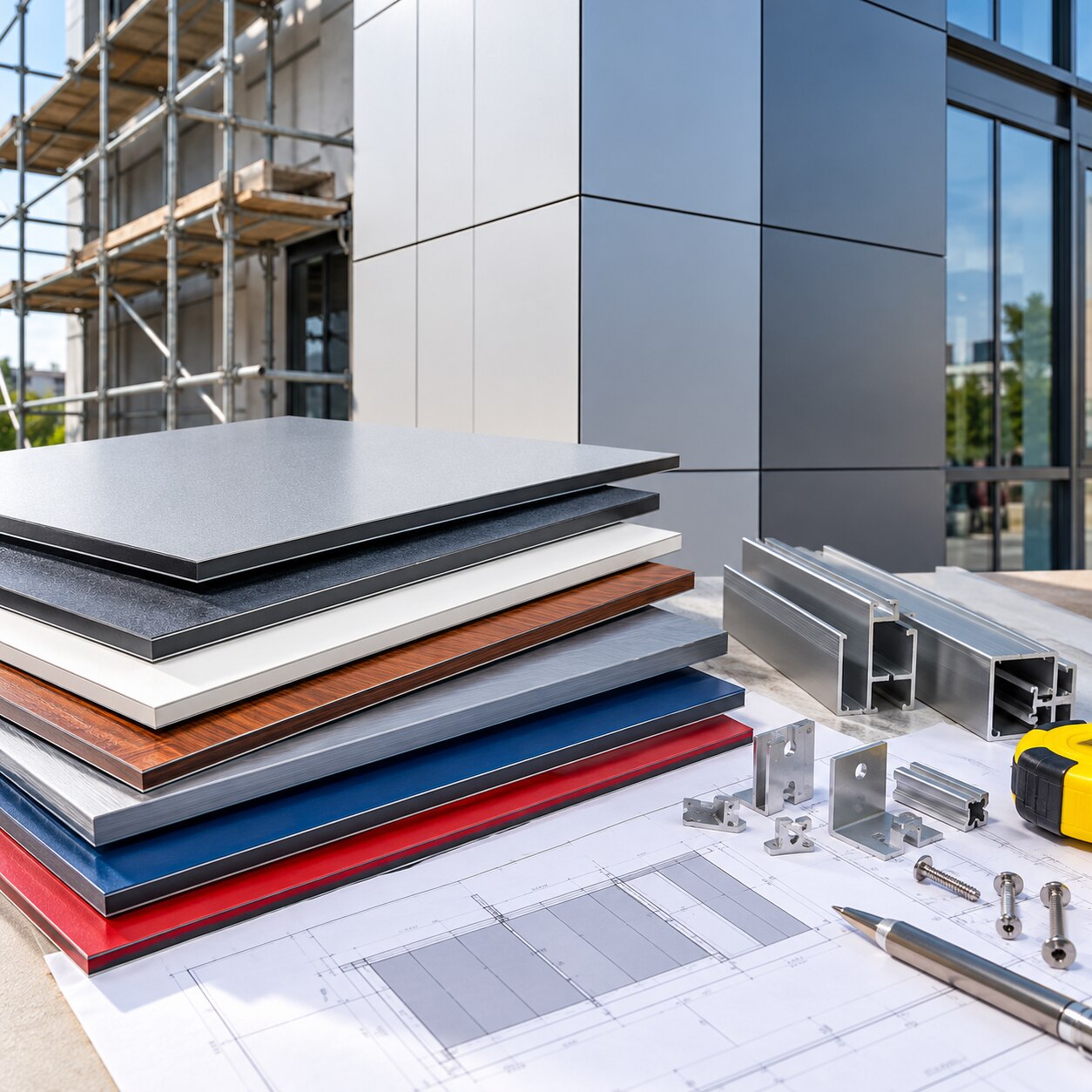
A quote for ACP rarely means only one thing: “3 mm” can describe the total panel thickness while leaving the aluminium skin, core, coating and fabrication unspecified. By the end, you will be able to match the panel to its application, compare technical details, and check whether a Pune supplier’s price includes a usable finished package.
Key takeaways
- 3 mm suits signage; choose 4 mm or 6 mm for demanding façade work.
- Confirm aluminium skin thickness, core type, coating and finish—not only panel thickness.
- Check sheet dimensions, flatness, protective film and fabrication readiness before delivery.
- Require delivery, wastage, taxes, warranty and installation terms in the quotation.
What an ACP specification should state beyond the thickness
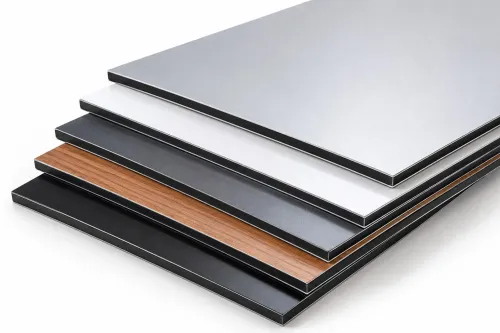
ACP sheet thickness in Pune usually means the overall panel thickness: most commonly 3 mm, 4 mm or 6 mm. It does not state the aluminium skin thickness.
Ask the supplier to write both figures, such as 3 mm with 0.20 mm skins or 4 mm with 0.30–0.50 mm skins; otherwise two “4 mm” quotes may describe very different panels.
| Specification | What it affects | What to request |
|---|---|---|
| 0.20 mm skin | Lower weight and price; adequate resistance for lighter work | Skin thickness for each face |
| 0.30–0.50 mm skin | Better dent resistance, fastener pull-through resistance and stiffness; higher weight and price | Fabrication and fixing suitability |
| Thicker skin | More material must be removed during routing and bending needs controlled tooling | Groove depth and folding method |
| PE core | Standard combustible core construction | Exact core description |
| Mineral-filled fire-retardant core | Improved tested fire performance | Classification and test report |
| A2/non-combustible core | Non-combustible classification when the tested assembly supports it | Certificate, assembly and report date |
Before comparing acp sheet specifications in pune, request these acp sheet details in pune:
- State the overall thickness, both skin thicknesses, core type, panel size and finish.
- Provide the intended panel dimensions, support spacing, fixing method and wind exposure; a thicker panel is not automatically structurally suitable.
- Confirm whether routing, folding, returns or stiffeners are required, because these affect bending behaviour, waste, labour and price.
Choosing 3 mm, 4 mm or 6 mm for each Pune application
Use 3 mm PE-core ACP for signage, short-span shopfront fascia, false ceilings, partitions and small interior feature walls when supports are close and wind exposure is low. It is lighter and easier to handle, but its thinner panel and lighter skins resist oil-canning, dents and wind vibration less effectively than 4 mm architectural-grade ACP.
| Option | Practical applications | Decision point |
|---|---|---|
| 3 mm PE-core | Signage, short fascias, false ceilings, partitions and small feature walls | Use with close supports, low exposure and limited unsupported width |
| 4 mm with heavier skins | Exterior cladding, balcony panels, column wrapping and larger shopfront panels | Stronger starting point where spans, handling or wind exposure increase |
| 6 mm | Large unsupported faces, deeper routed-and-folded fabrication and higher stiffness requirements | Specify only when the extra weight, cutting effort and cost are justified |
For acp sheet thickness in pune, “4 mm” means overall panel thickness, not proof of structural suitability. Panel dimensions, support spacing, wind load, fixing method and aluminium skin thickness still control performance; ask for engineering confirmation where panels form an exterior envelope.
Before requesting acp sheet specifications in pune, disclose:
- Panel length, width and support spacing
- Indoor or outdoor location and wind exposure
- Whether the panel will be routed, grooved and folded
- Required returns, cassettes, stiffeners and joint gaps
State the required skin gauge as well as the core. A 4 mm panel with 0.30 mm skins is not the same durability proposition as one with lighter skins, and 6 mm is wasteful if close framing already controls deflection.
Comparing cores, coatings and finishes for exterior and interior use
Do not treat ACP as one core product. Standard polyethylene-core ACP differs materially from mineral-filled fire-retardant and A2/non-combustible panels. Fire performance matters in public buildings, escape routes, façades, high-rise work and any specification requiring a tested classification.
| Core | Suitable interpretation | What to request |
|---|---|---|
| Polyethylene | Standard core for many interior and lower-risk applications | Exact core construction |
| Mineral-filled FR | Reduced-combustibility product with a stated test result | Test standard and classification |
| A2/non-combustible | Product claiming the highest listed reaction-to-fire category | Certificate number, tested assembly and report date |
A generic “FR” label is insufficient. Before comparing acp sheet details in Pune, request the core construction, test standard, classification, certificate number, tested assembly and report date.
PVDF is the stronger coating candidate for direct sun, monsoon exposure, weathering and colour retention. Ordinary polyester is common for interiors, signage and shorter-life work, but the quote must identify the coating system rather than saying only “colour coated.”
Require the quotation to state:
- Gloss, matt, texture or metallic finish
- Manufacturer colour code and batch information
- Scratch-resistance specification
- Protective-film type and maximum film-exposure period
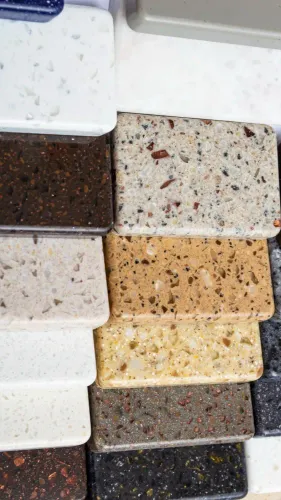
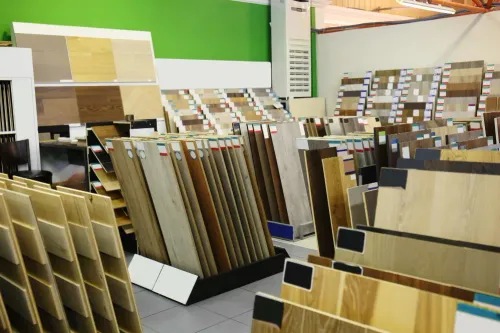
Colour names cannot control replacement purchases. Approve a physical sample, because metallic, woodgrain and solid colours can vary between batches. Give the same written checklist to any acp sheet supplier in Pune.
Checking sheet size, flatness and fabrication readiness before delivery
Before cutting or installation, confirm that the quoted ACP sheet is approximately 1220 × 2440 mm or 1220 × 3050 mm, then obtain the actual cuttable dimensions. Nominal size can include edge-trim and squareness allowances.
1. Put these limits in the quotation: dimensional tolerance, diagonal or squareness tolerance, flatness, edge condition and permitted surface defects. For ACP sheet specifications in Pune, these figures matter more than a catalogue size.
2. At delivery, inspect every batch for bowing, oil-canning, dents, scratches, coating defects, edge damage, protective-film adhesion and colour or finish variation between batches. Record the batch number before cutting.
3. Treat cut-to-size supply as a cutting service, not an installation-ready panel. The quotation must identify cutting, CNC routing, V-grooving, folding, returns, cassette formation, stiffeners, joint gaps, subframe interfaces and sealant-compatible detailing.
4. For exterior work, ask whether the design is a ventilated rainscreen or sealed-joint system. Confirm silicone, primer or adhesive compatibility with the coating and core; a sealant that bonds poorly can stain the finish or release from the panel.
ACP sheet thickness in Pune does not determine fabrication readiness. Obtain the supplier’s maximum protective-film exposure period, because strong sun beyond that period can make removal difficult and leave adhesive residue. These checks belong in the purchase record, not only in the site inspection.
The inclusions checklist for an ACP supplier quotation in Pune
“ACP sheet rate” can mean a full bare sheet, a cut panel, or a fabricated-and-finished cassette. Two Pune quotations are not comparable until the deliverable is defined.
| Deliverable | What you receive | What remains your responsibility |
|---|---|---|
| Bare sheet | Uncut panel in the quoted size | Fabrication, framing, fixing and installation |
| Cut panel | Panel cut to dimensions | Routing, folding, returns, joints and site fitting |
| Fabricated cassette | Routed, folded, returned and finished panel | Confirmed installation scope and site readiness |
Request these lines in every quotation:
- Panel brand and series; overall thickness; aluminium gauge for each face; core type; coating system; gloss or texture.
- Manufacturer colour code, approved physical sample and batch information.
- Sheet size, quantity, delivery location and delivery schedule.
- Separate rates or explicit inclusions for cutting, routing, bending and wastage.
- Transport, subframe, fasteners, sealants, primer and installation.
- Taxes and disposal of offcuts.
Also name the responsible party for measurement approval, shop drawings, structural design, site protection and replacement of damaged panels. A cut-to-size panel is not installation-ready if the package excludes grooving, folding, stiffeners, cassette formation, joint gaps or sealant-compatible detailing.
For acp sheet details in Pune, compare the written scope rather than the headline rate. When evaluating an acp sheet supplier in Pune, National Veneer & Ply can be approached using this checklist; the useful comparison is technical documentation and defined responsibility, not the lowest sheet rate.
Related product
 | ACP Sheets **National Veneer & Ply: Redefining Exteriors with ACP Sheets** Introducing our premium Aluminum Composite Panel (ACP) sheets, meticulously crafted... View product → |
Frequently asked questions
What should an ACP specification state beyond panel thickness?
It should state aluminium skin thickness, core type, coating system, finish, sheet dimensions, flatness tolerance and fabrication details.
Which ACP thickness suits Pune applications?
Use 3 mm for lighter signage and interior work, 4 mm for common façade and commercial applications, and 6 mm where greater rigidity or a deeper fabrication profile is required.
How do ACP cores, coatings and finishes differ?
Core choice affects fire performance and rigidity, while coatings and finishes determine weather resistance, colour retention, gloss and appearance. Match each to exterior or interior exposure.
What should an ACP supplier quotation in Pune include?
Request the panel specification, sheet size, quantity, finish, protective film, cutting or routing scope, delivery terms, taxes, wastage assumptions, warranty and installation exclusions.
Keywords