A digital handle lock is not a universal replacement for an existing lever: the door thickness, lock type, backset, mortise pocket, frame and strike position decide whether fitting is straightforward or involves carpentry and patching. By the end, you will know how installers assess the door, prepare the opening, fit and commission the lock, and compare a supply-and-fitting quotation before work begins.
Key takeaways
- Match door thickness, mortise dimensions and strike position before ordering.
- Measure the door, frame and power route before scheduling digital lock fitting.
- Test the handle, strike, batteries, access methods and emergency override on site.
- Specify lock type, carpentry, electrical work and testing in the fitting quote.
Check the Door Before You Order the Lock
A door is mechanically compatible only when its thickness, lock body and strike position match the digital handle’s specification. Biometric access or app control does not make an incompatible mortise fit. Before you buy digital lock handles, inspect the door and frame on site.
1. Measure the door slab thickness, lock backset, distance between the spindle and cylinder or handle centre, and the existing mortise-case length, height and depth. Record the hinge side and clearance around both door faces.
2. Identify the existing mechanism: mortise lock, cylindrical or tubular latch, rim lock, deadbolt retrofit or another system. An integrated lever-handle lock usually needs a specific mortise pocket and strike position; a retrofit escutcheon may reuse a deadbolt but still needs the correct backset and thickness.
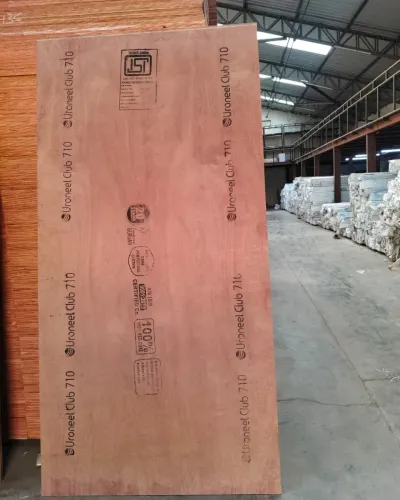
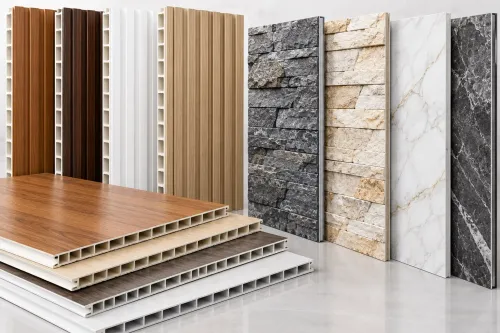
3. Check the door material and construction. Solid timber, plywood-faced, metal, glass and security doors need different fixing methods, reinforcement and drilling limits. A thin veneer or architectural-panel door can show patching after the old lock is removed.
4. Ask for the complete installation set: mortise or latch body, strike, mounting plate, spindle, fasteners, batteries, emergency-power provision, mechanical override, template and commissioning instructions. A missing strike can turn a compatible product into site fabrication.
For premium digital lock handles in Pune, get the quotation to state mortising, patch repair, wiring, battery type and alignment work. “Supply only” is not the same deliverable as supply plus fitting.
Measure the Opening and Plan the Site Work
Record the opening before choosing the lock: door thickness, lock backset, mortise-case size, spindle-to-cylinder distance, hinge side and clearance on both faces. For a digital lock for handle installation in Pune, these measurements determine whether the installer can reuse the opening or must cut, drill and patch the finished door.
Ask the site installer to verify:
- Door material: solid timber, plywood-faced, metal, glass or security-door construction
- Door thickness and frame depth
- Existing lock type: mortise, cylindrical/tubular, rim or retrofit deadbolt
- Spindle and cylinder positions, backset and strike-plate height
- Hinge clearance, door swing and space for the handle escutcheon
- Frame strength, closer position and whether the door is fire-rated
| Mortise | Remove or modify the lock pocket, drill cable passages and fit a new strike; use a drill, hole saw, chisel, screwdriver, level and template | Integrated lever-handle locks requiring a specific mortise body |
|---|---|---|
| Cylindrical or tubular | Check the existing bore, latch length and strike alignment before replacing the latch | Doors with a compatible round-bore lock |
| Retrofit escutcheon | Preserve the deadbolt opening but verify thickness, backset and face clearance | Surface-mounted units designed for the existing lock |
Require the complete installation set: mortise or latch body, strike, mounting plate, spindle, fasteners, batteries, emergency-power provision, mechanical override, template and commissioning instructions. Include mortising, patch repair, wiring, battery type and service responsibility in the quote; a missing strike or mounting plate can turn fitting into site fabrication. Fire-door manufacturer requirements override generic drilling advice.
How Installers Fit the Mortise, Handles and Strike
The installer begins by confirming the supplied mortise body matches the door, rather than assuming the old lock can be reused. After removing the handle, cylinder, latch and strike, they inspect the existing pocket for loose timber, oversized cuts and hidden metal reinforcement. Old screw holes may need plugging before the new template is positioned.
- Mark the mortise outline, spindle height, cable route and strike position with the manufacturer’s template.
- Enlarge or relocate the mortise pocket with a drill and chisel, then bore the handle and cable passages with a sharp hole saw.
- On veneer or laminate, mask both faces and drill from each side until the pilot holes meet; one-sided drilling can chip the finish.
- Insert the mortise case, spindle and mounting plate, securing them without crushing the door skin.
- Fit the new strike to the frame and check that the latch enters its opening without rubbing.
- Mount the inside and outside handles, passing the cable through the door before tightening the escutcheon fasteners.
During digital lock fitting in Pune, the installer closes the door repeatedly while adjusting the strike, spindle and handle return. The lever must sit level, move freely and retract the latch with no lifting or pushing of the door.
A tight fit signals an alignment problem, not a defect to conceal with extra force; patching around an abandoned pocket should remain under the escutcheon or be repaired visibly.
Install the Power, Set Access and Test the Lock
Fit the power only after the handle, mortise and strike are aligned. Ask for the complete installation set: batteries, mounting plate, spindle, fasteners, emergency-power provision, mechanical override, templates and commissioning instructions. A missing strike or fixing kit can turn digital lock fitting in Pune into site fabrication.
1. Install the specified battery type with the correct polarity, then close the battery cover firmly. For a wired model, route the cable through the prepared passage, connect the manufacturer’s power supply, insulate joints and keep the cable clear of the latch.
2. Enrol each approved entry method: fingerprint, PIN, RFID card, mobile app or mechanical key. Create separate user codes, delete demonstration credentials and confirm that the administrator can add and remove users.
3. Test the door closed and open. Check that the latch enters the strike without scraping, the lever returns fully and the lock engages only when the door is shut. Forced alignment can damage the motor and void warranty.
4. Test every failure route before handover. Disconnect or exhaust the normal power source, then use the concealed key cylinder, external 9V contacts, USB-C emergency supply or the model’s stated alternative. Confirm the mechanical override opens the door.
Record the battery type, administrator credentials, emergency procedure and service contact. The handover sheet should also identify wiring requirements and any warranty exclusion for water ingress or forced alignment. A digital lock for handle installation in Pune is incomplete until these checks pass.
Compare the Lock Type and Specify the Fitting Quote
Compare the lock’s mechanical fit, backup access, serviceability and site work—not just fingerprint, card or app features. Before you buy digital lock handles, record the door thickness, backset, spindle-to-cylinder centre distance, mortise dimensions, hinge side and face clearance.
| Option | Mechanical work | Backup and service comparison |
|---|---|---|
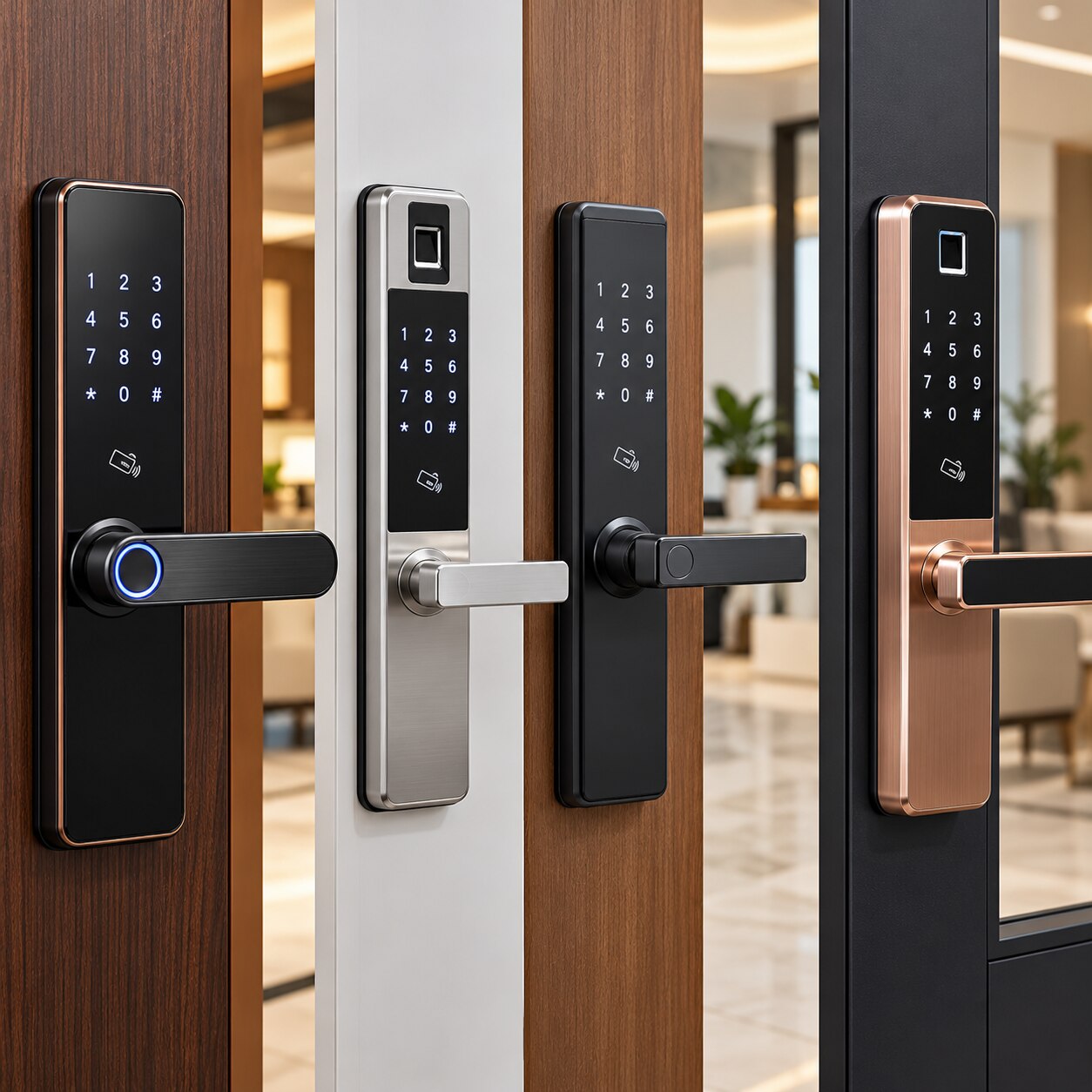
| Integrated digital lever handle | Needs a matching mortise pocket and strike position; relocation can mark the door | Check mechanical override, emergency power and local spare-part support |
| Retrofit escutcheon | Reuses a compatible deadbolt but still depends on door thickness and backset | Check whether a separate Wi-Fi bridge is needed; Bluetooth alone is not internet access |
| Mechanical lever or cylinder lock | Usually simpler to repair and does not need batteries or network equipment | Compare lower installation complexity against the loss of audit logs and electronic access control |
Ask a digital door lock handle supplier in Pune to separate supply from fitting and list these items in the quotation:
- Door preparation, removal of the old lock, mortising, drilling, strike installation, alignment and patch repair
- Mortise or latch body, strike, mounting plate, spindle, fasteners, templates, batteries, mechanical override, emergency-power provision and commissioning
- Wired power or network requirements, battery type, user capacity, audit-log retention and Wi-Fi bridge cost
- Warranty exclusions for forced alignment, incorrect installation and water ingress
- Post-installation service, response location and labour charges for future visits
For premium digital lock handles in Pune, specify the approved repair finish when National Veneer & Ply supplies the veneer or architectural panel; otherwise, a “supply plus fitting” quote can leave visible patches outside the installer’s scope.
Related product
 | HardWare Premium Digital Lock & Handels SecureGuard Pro Digital Lock & Handles Set Key Features: Advanced Biometric Access: Unlock your door with the touch of a finger using... View product → |
Frequently asked questions
What should you check before ordering a digital door lock handle?
Check the door thickness, lock-body dimensions, mortise, frame condition and strike position against the lock specification.
What measurements are needed for digital lock fitting in Pune?
Measure the door thickness, backset, mortise opening, handle height, frame clearance and available route for power or cables.
How is a digital lock handle fitted?
The installer prepares the mortise, aligns the lock body and handles, positions the strike plate, secures the parts and checks door movement.
What should you test after installing a digital lock?
Test every configured access method, handle movement, latch and deadbolt operation, strike alignment, battery status and emergency override.
What should a digital lock installation quote include?
The quote should identify the lock type, installation labour, mortise or carpentry work, electrical work, accessories, commissioning and testing.
Keywords