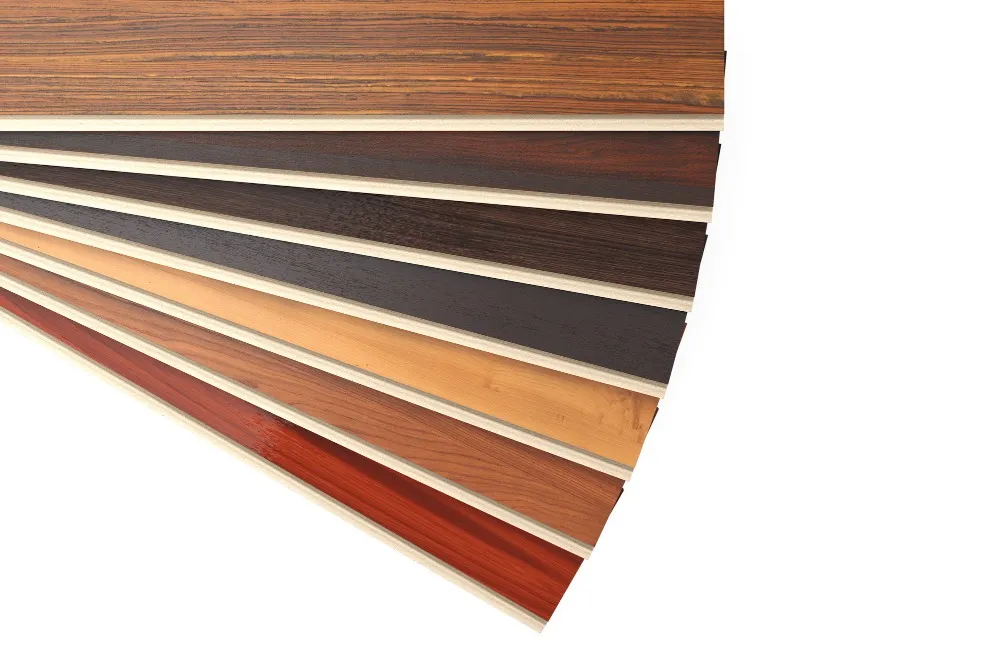
Plywood is one of the most widely used materials in furniture and interior construction, yet buying it without checking the right details can lead to avoidable cost and fabrication problems.
When comparing Plywood Dealers in Pune, buyers should look beyond the quoted price per sheet. The material needs to suit the application, project scale, fabrication method, and expected usage conditions.
Define the Application First
Tell the dealer exactly where the plywood will be used.
Possible applications include:
- Wardrobes
- Kitchen cabinets
- Beds
- Storage furniture
- Office workstations
- Wall panels
- Partitions
- Retail fixtures
- Commercial furniture
Different applications can require different panel specifications.
Without this information, even a well-stocked dealer cannot meaningfully guide the selection.
Confirm the Required Thickness
Thickness should come from furniture drawings or fabrication requirements rather than guesswork.
Different components may require different thicknesses.
For example, the requirements for:
- Shelves
- Shutters
- Vertical panels
- Drawer components
- Back panels
- Structural members
may not be identical.
A material schedule helps ensure that the right thickness is ordered for the right component.
Compare Equivalent Products
Price comparisons become misleading when dealers quote different specifications.
Before comparing rates, confirm that each quotation refers to equivalent:
- Sheet dimensions
- Thickness
- Product category
- Grade
- Quantity
- Commercial terms
This creates a fairer comparison.
Inspect Material Quality
For professional fabrication, consistency matters.
Furniture manufacturers and contractors may want to consider:
- Panel flatness
- Surface condition
- Thickness consistency
- Edge quality
- Suitability for machining
- Compatibility with intended finishes
A panel that looks fine while stacked may behave differently during cutting and assembly.
Ask About Availability
Availability matters more as project size increases.
A homeowner may need only a few sheets. A contractor or furniture manufacturer may require repeated quantities across multiple stages.
If a particular specification is central to the project, confirm whether the required quantity can be supplied according to the work schedule.
Consider Related Surface Materials
Plywood is often only the base material.
The finished furniture may also require:
- Decorative laminates
- Natural veneer
- Highlighter surfaces
- Edge finishes
- Other decorative panels
If these materials are being selected simultaneously, comparing them together can improve design coordination.
Check Documentation Where Relevant
For commercial, institutional, or specification-driven projects, product documentation may matter.
Ask for relevant information for the exact plywood product being considered.
This is particularly useful when architects or consultants have defined project-specific requirements.
Evaluate Communication Quality
Good procurement depends on clear communication.
During the enquiry process, note whether:
- Specifications are understood
- Quantities are confirmed
- Product differences are explained
- Delivery expectations are realistic
- Questions receive specific answers
These indicators can be useful before committing to a larger order.
Think Beyond the Lowest Price
The cheapest sheet does not always produce the lowest final project cost.
Potential problems such as material mismatch, excessive wastage, unsuitable specifications, or delayed supply can affect fabrication and installation.
A better value comparison includes material suitability, quantity availability, consistency, and overall procurement efficiency.
Choosing a Dealer for Pune Projects
Pune has a broad interior and furniture market ranging from home renovation and custom furniture to office fit-outs, hospitality spaces, retail projects, and real estate developments.
National Veneer & Ply can be evaluated as one source for plywood and related surface-material requirements in the city.
Before approaching Plywood Dealers in Pune, prepare a short list containing intended applications, thicknesses, approximate quantities, and project timelines.
That preparation makes it easier to identify whether the dealer can meet the actual requirements instead of simply offering an attractive rate.
Keywords