Large-volume plywood purchasing is not just about obtaining a lower unit rate. For contractors, furniture manufacturers, developers, resellers, and interior firms, the bigger advantage can be better procurement planning.
Working with Wholesale Plywood Dealers in Pune may make sense when requirements are repeated, quantities are predictable, and project schedules need a steady material supply.
Wholesale Purchasing Is Most Useful for Repeat Requirements
Bulk procurement works best when the buyer has a clearly defined material requirement.
Examples include:
- Modular furniture production
- Apartment projects
- Office fit-outs
- Hotel furniture
- Retail rollouts
- Institutional interiors
- Multiple-room residential projects
When specifications are repeated across many units, consolidated purchasing can simplify ordering.
Build a Material Schedule Before Requesting Rates
A wholesale enquiry should include more than a total sheet count.
Create a schedule showing:
- Product specification
- Thickness
- Sheet dimensions
- Approximate quantity
- Intended application
- Required delivery stage
This allows dealers to quote more accurately.
It also reduces confusion when different thicknesses or categories are being purchased together.
Compare Total Requirement Cost
Per-sheet price is important, but it should not be viewed in isolation.
Consider the broader procurement picture:
- Material consistency
- Availability
- Delivery coordination
- Quantity accuracy
- Replacement requirements
- Storage
- Fabrication suitability
A slightly lower rate may not create real savings if supply becomes inconsistent during production.
Avoid Overbuying
Wholesale buying can become inefficient when buyers purchase far more material than the project needs.
Excess plywood can create:
- Storage pressure
- Capital tied up in inventory
- Handling difficulties
- Risk of material mix-ups
- Unnecessary leftovers
Accurate quantity planning is therefore essential.
Furniture drawings and cutting plans provide a better basis for estimation than rough floor-area calculations.
Plan Delivery in Phases
Large projects do not always need their entire plywood requirement delivered on the first day.
If site or workshop storage is limited, phased procurement can make more sense.
For example, material can be scheduled according to:
- Furniture production stages
- Floor-wise progress
- Building wings
- Project phases
- Room categories
This keeps material movement more manageable.
Standardise Where Appropriate
Standardisation can simplify bulk buying when repeated furniture designs are involved.
Using consistent panel specifications across similar modules can improve:
- Quantity planning
- Stock control
- Cutting efficiency
- Reordering
- Cost monitoring
However, technical requirements should always take priority over convenience.
Areas exposed to different conditions may need different specifications.
Think About Supporting Materials
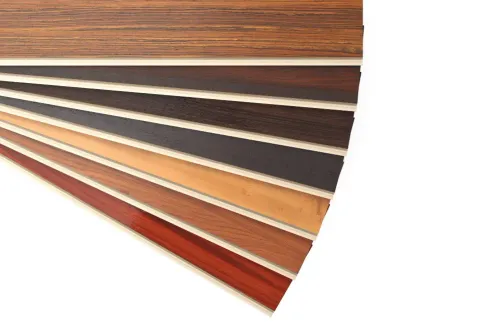
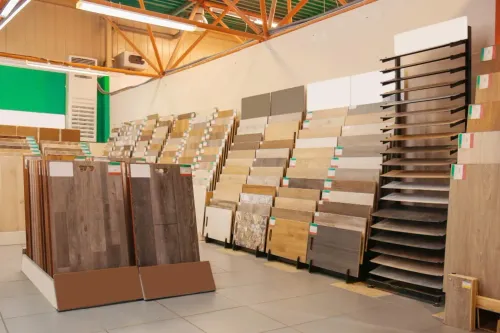
Wholesale plywood buyers may also need laminates, veneer, decorative surfaces, or other interior finishes.
Coordinating these requirements early can reduce procurement fragmentation.
For large projects, material schedules should ideally separate:
- Core panels
- Decorative surfaces
- Feature materials
- Special finishes
This makes sourcing and site allocation easier.
Review Availability Before Production Starts
One of the biggest risks in a large project is approving a material that becomes difficult to source during execution.
Before finalising a repeated specification, confirm whether adequate quantities can be supported within the expected timeline.
This is especially important for furniture manufacturers working on fixed delivery schedules.
Wholesale Buying in Pune
Pune has a substantial market for custom furniture, modular manufacturing, commercial interiors, residential developments, hospitality projects, and fit-out contracting.
National Veneer & Ply can be considered by professional buyers planning larger plywood and decorative-material requirements across the region.
The right way to approach Wholesale Plywood Dealers in Pune is with a defined requirement, realistic consumption estimate, and phased procurement plan.
Bulk purchasing creates the most value when it improves consistency and planning, not simply when it increases the number of sheets on one invoice.
Keywords