
Sustainable material selection is sometimes treated as a choice between environmental responsibility and design freedom. In practice, the two objectives can work together when materials are specified thoughtfully.
For architects and interior designers evaluating Sustainable Veneer and Plywood for Pune projects, the more useful question is not simply whether a product is described as sustainable. It is whether the complete material decision supports efficient use, appropriate durability, responsible sourcing, and the intended design outcome.
Begin With the Required Lifespan
Interior materials should be selected according to how and where they will be used.
A decorative panel in a low-contact area faces different conditions from a kitchen cabinet or frequently used commercial counter. Specifying materials that are unsuitable for their environment may lead to early repair or replacement.
Longer service life can reduce repeated consumption of materials, labour, transport, and finishing resources.
That makes durability part of sustainability.
Compare Natural Veneer and Decorative Alternatives Carefully
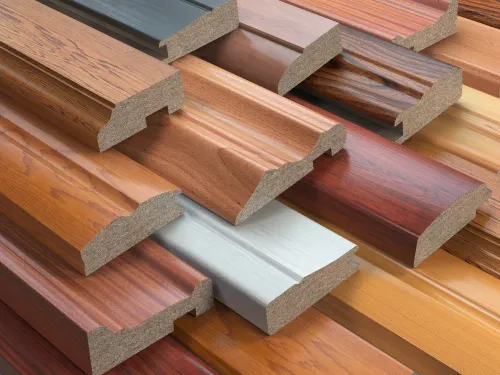
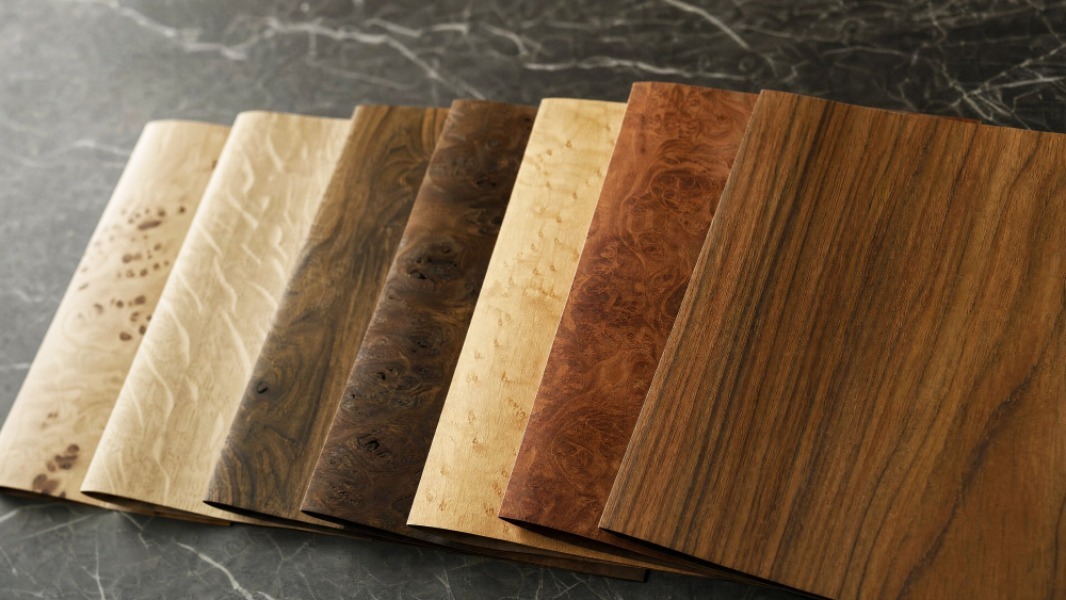
Natural veneer offers genuine wood grain and variation. Decorative laminates can provide controlled patterns, colours, and surface characteristics.
Neither option should automatically be considered appropriate for every surface.
A designer might use natural veneer for focal furniture and architectural elements where authentic wood character adds significant value, while using other decorative surfaces where uniformity or particular maintenance characteristics are more important.
This selective approach can balance design goals with material efficiency.
Consider the Core, Not Just the Finish
Beautiful surface materials often receive most of the attention during client presentations, yet the substrate influences the performance of the finished component.
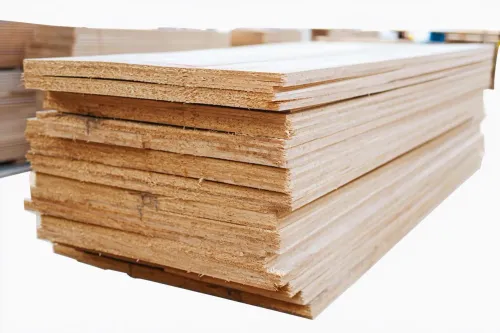
Plywood selection should reflect the application and expected conditions. Using an unnecessarily high specification everywhere can increase project cost without adding meaningful value, while underspecifying critical areas may reduce longevity.
Sustainable specification therefore involves putting the right material in the right place.
Plan Dimensions to Reduce Offcuts
Sheet optimisation can have a significant effect on material consumption.
Architects and furniture manufacturers can coordinate panel dimensions with standard material sizes before finalising drawings. Even small dimensional adjustments may improve cutting efficiency across repeated furniture modules.
This is particularly relevant for:
- Apartment developments
- Office fit-outs
- Hotel furniture
- Retail fixtures
- Institutional interiors
- Large residential projects
Reducing avoidable wastage is one of the most practical sustainability measures available during fabrication.
Check Documentation Where It Matters
Terms such as 'green', 'natural', 'responsible', and 'eco-friendly' can be interpreted broadly.
When a project has specific environmental requirements, buyers should request applicable documentation for the exact product being considered.
The questions may involve sourcing, manufacturing standards, emissions requirements, or other project-specific criteria.
Documentation-based evaluation is more reliable than selecting products purely because sustainability-related terminology appears in promotional material.
Think About Maintenance
A surface that requires inappropriate or excessive maintenance may become difficult to manage over its lifetime.
Designers should consider how the selected veneer, plywood, laminate, or decorative panel will be cleaned and maintained after handover.
Homeowners and facility teams also benefit from understanding basic care requirements from the beginning.
Material longevity depends partly on specification and partly on how the finished surface is treated.
Balance Budget With Long-Term Value
Sustainable procurement is not simply about buying the least expensive sheet, nor does it automatically mean choosing the highest-priced option.
The better comparison considers usable lifespan, suitability, fabrication efficiency, material wastage, maintenance, and replacement risk.
For a large Pune project, even modest improvements in cutting efficiency or specification accuracy can influence overall material consumption.
Make Sustainability a Project Decision
National Veneer & Ply can be part of the sourcing conversation when designers, contractors, developers, and furniture manufacturers are evaluating veneer, plywood, and decorative surfaces for projects in Pune, Maharashtra.
The strongest sustainable interiors are rarely created through one material choice. They result from a sequence of sensible decisions: choosing appropriate materials, checking relevant information, reducing waste, planning for durability, and avoiding unnecessary replacement.
That is a more meaningful way to evaluate Sustainable Veneer and Plywood than relying on environmental language alone.