Buying wholesale plywood is not simply a matter of finding the lowest rate per sheet. Contractors, furniture manufacturers, developers and wholesale buyers must also consider product grade, core construction, thickness consistency, delivery reliability and material wastage.
A poorly evaluated bulk purchase can lead to production delays, damaged components and higher finishing costs.
Define the Intended Use
Plywood selection should always begin with the application. Material used for wall panelling may not require the same characteristics as plywood used for kitchen cabinets, beds or heavily loaded shelves.
Prepare a list of intended applications, such as:
- Modular kitchens
- Residential wardrobes
- Office furniture
- Retail fixtures
- Doors and partitions
- Upholstered furniture frames
- Wall panels
- Storage systems
Also identify expected moisture exposure, load and frequency of use. These details help determine the appropriate grade and thickness.
Inspect the Core
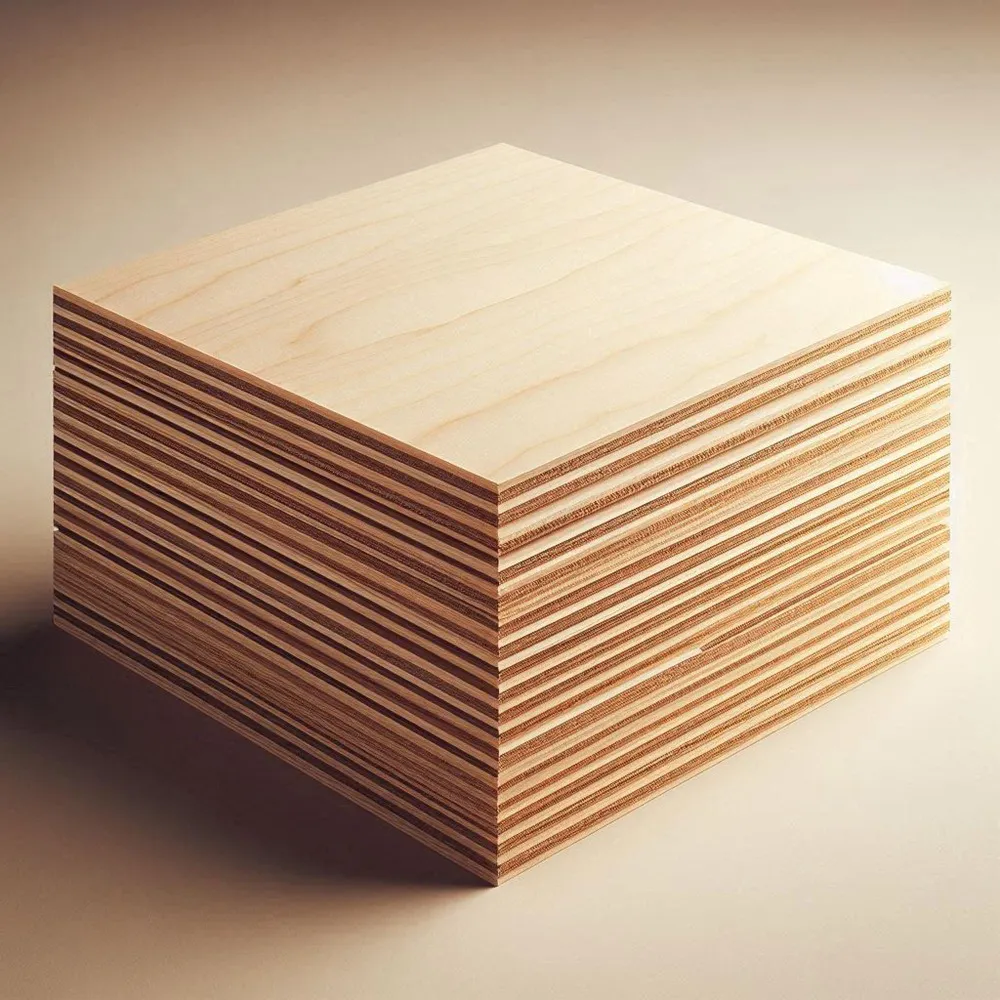
The outer face of plywood provides only limited information about its construction. Buyers should inspect the sheet edges to understand how the internal layers are arranged.
Look for excessive gaps, overlapping veneers or visible separation. A compact core generally supports cleaner cutting, better edge finishing and more reliable hardware installation.
Core gaps can become particularly problematic when sheets are routed or cut into narrow furniture components.
Measure Actual Thickness
Nominal and actual thickness may differ. While small tolerances may be acceptable for some applications, inconsistent thickness can affect modular furniture assembly, groove dimensions and hardware alignment.
Wholesale buyers should measure several sheets from the proposed batch. This is especially important when the material will be processed using automated machinery.
Compare More Than the Price
The lowest quoted price may not represent the best value. A complete comparison should include:
- Sheet dimensions
- Actual thickness
- Face quality
- Core construction
- Rejection rate
- Cutting wastage
- Delivery charges
- Credit terms
- Replacement procedures
- Availability for repeat orders
A slightly higher-priced product may lower the final project cost if it produces fewer rejected components and requires less corrective work.
Calculate Quantities Carefully
Bulk quantities should be based on cutting plans rather than surface area alone. Grain direction, component dimensions and sheet utilisation influence wastage.
Furniture manufacturers can prepare cutting layouts before placing the order. This provides a more accurate quantity estimate and reduces unnecessary inventory.
A reasonable allowance should still be included for selection, cutting loss and accidental damage.
Prepare Suitable Storage
Wholesale plywood needs a flat, dry and adequately supported storage area. Sheets should not be left leaning against walls for extended periods because this can contribute to bending.
They should also be protected from damp floors, direct rain and prolonged sunlight. During Pune’s monsoon, covered transport and dry storage become particularly important.
Order quantities should match available storage capacity. Excess material kept in unsuitable conditions may lose the advantage gained through bulk pricing.
Confirm Delivery Readiness
Discuss delivery schedules before confirming the order. Consider workshop capacity, site access and unloading arrangements.
For phased projects, smaller planned deliveries may be safer than receiving the full quantity at once. However, buyers should confirm whether the same specification will remain available throughout the project.
National Veneer and Ply works with contractors, furniture manufacturers and project buyers requiring wholesale plywood in Pune. Sharing expected quantities, applications and delivery schedules helps align procurement with production needs.
Successful wholesale purchasing depends on consistency and predictability. Clear specifications, representative samples and documented delivery expectations reduce risk.
When buyers evaluate material performance alongside price, they are more likely to obtain plywood that supports efficient fabrication and reliable finished furniture.
Keywords