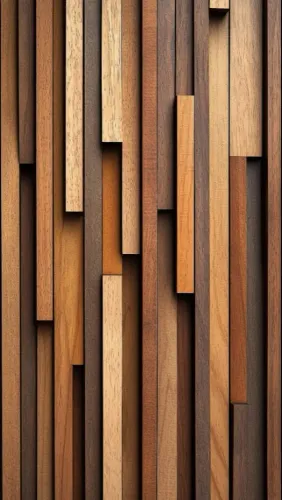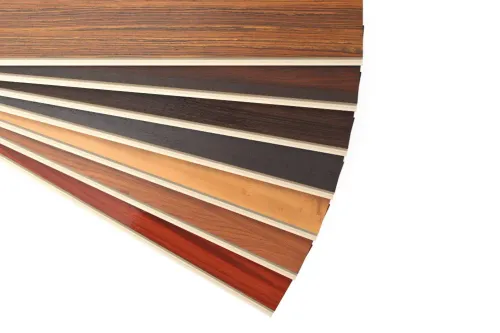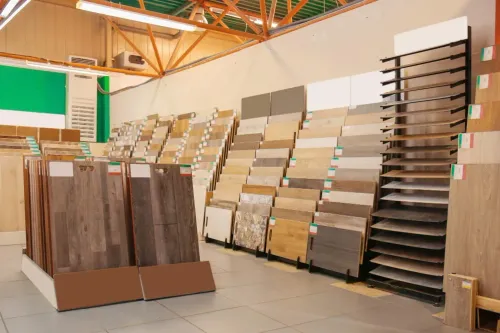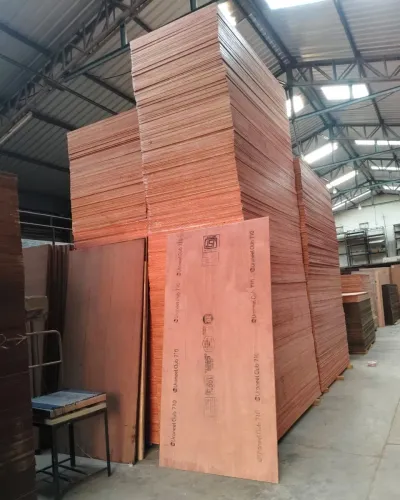
Bespoke interiors depend on material individuality and execution precision. When natural veneer is used across wall panels, wardrobes, doors or statement furniture, the supplier’s ability to select and coordinate sheets becomes central to the design outcome.
Choosing a premium veneer supplier is therefore different from purchasing a standard decorative surface. Buyers must evaluate the material, matching support, technical knowledge and continuity of supply.
Define the Design Requirement
Before visiting a supplier, clarify the intended visual language. Decide whether the interior requires bold grain, subtle movement, light tones, dark formal shades or a consistent reconstituted pattern.
Reference images are helpful, but natural wood should not be expected to match a digital photograph exactly. Wood species, log characteristics, slicing methods and finishing all influence its appearance.
The application should also be defined. A small side table may need only one sheet, while a lobby wall requires several coordinated sheets with an intentional layout.
Review Complete Sheets
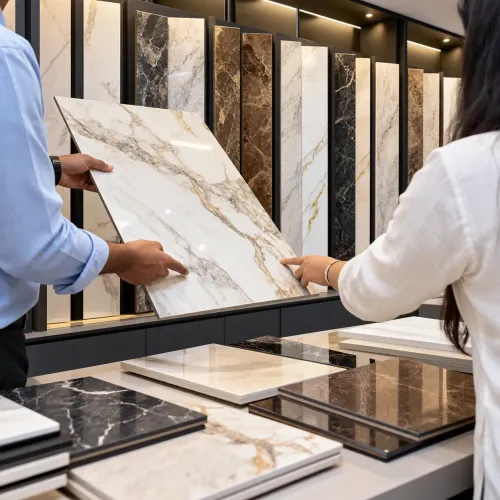
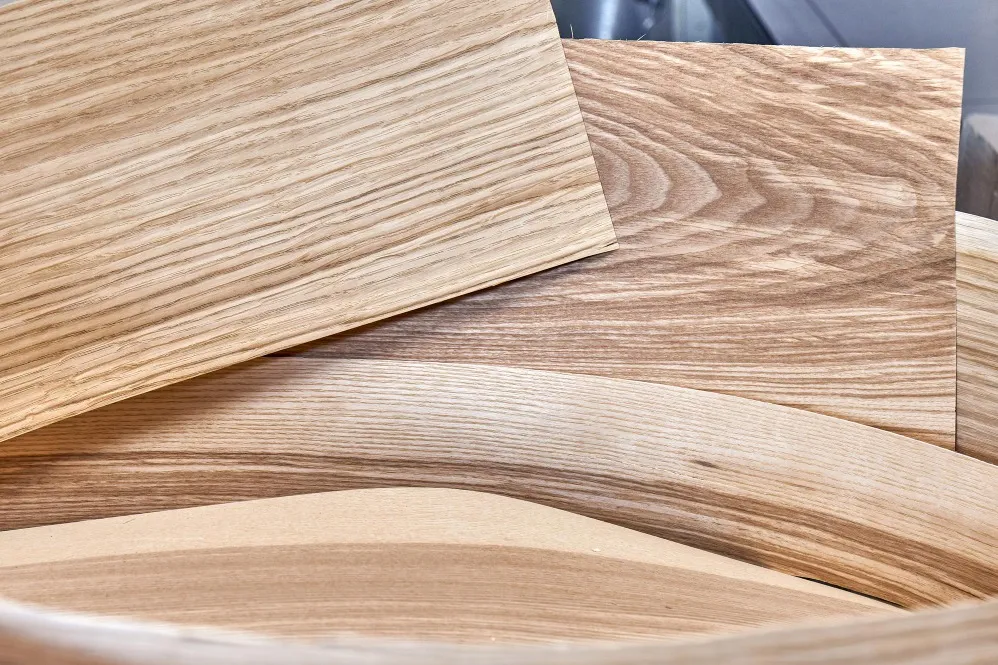
Small samples are insufficient for significant veneer decisions. Premium selection involves reviewing full sheets or a representative sequence from the same log.
Look for:
- Grain continuity
- Colour relationship between sheets
- Usable dimensions
- Natural marks
- Suitability for book matching
- Suitability for slip matching
- Pattern scale
- Availability of additional sheets
Natural variation should be evaluated as part of the design. The goal is not always uniformity; it is visual coherence.
Discuss Matching Early
Sheet matching must be planned before veneer is pressed onto plywood. The supplier should understand the dimensions and number of panels required.
For a bank of wardrobe shutters, grain flow across all visible faces may be important. A conference table may require symmetrical book matching. A relaxed hospitality interior may benefit from a more natural random arrangement.
The layout should be photographed or numbered after approval so the workshop can reproduce the intended sequence.
Verify the Substrate
Premium veneer needs a suitable and stable base. The plywood specification should reflect panel size, application, hardware and environmental conditions.
Large components may require balancing material on the reverse face. The fabricator should also use suitable adhesives and pressing methods. These technical details protect both the appearance and stability of the finished panel.
Evaluate Finishing Compatibility
Raw veneer colour can change considerably after polishing. Ask for a finished sample using the proposed coating system. Matte, open-grain and high-gloss finishes each create a different effect.
Samples should be reviewed under the project lighting. Pune residences and commercial spaces may have a mixture of strong daylight and warm artificial lighting, which can alter perceived colour.
Confirm Supply Readiness
Before ordering, verify quantities, lead time and whether additional matching sheets can be supplied later. For phased projects, reserve sufficient material at the beginning whenever possible.
National Veneer and Ply works with architects, interior designers, furniture manufacturers and property owners seeking premium veneer solutions in Pune. Providing elevations, component sizes and finishing preferences enables more accurate sheet selection.
Recognise the Right Supplier
A well-prepared veneer supplier should be able to:
- Explain different cuts and grain patterns
- Show coordinated sheets
- Assist with matching layouts
- Recommend an appropriate substrate
- Discuss finishing implications
- Document selected material
- Coordinate dispatch with the workshop
- Set realistic expectations about natural variation
Premium veneer selection is a collaborative process. When the supplier, designer and fabricator make decisions together, the material can be used more efficiently and the completed interior is more likely to reflect the original design intent.
Keywords