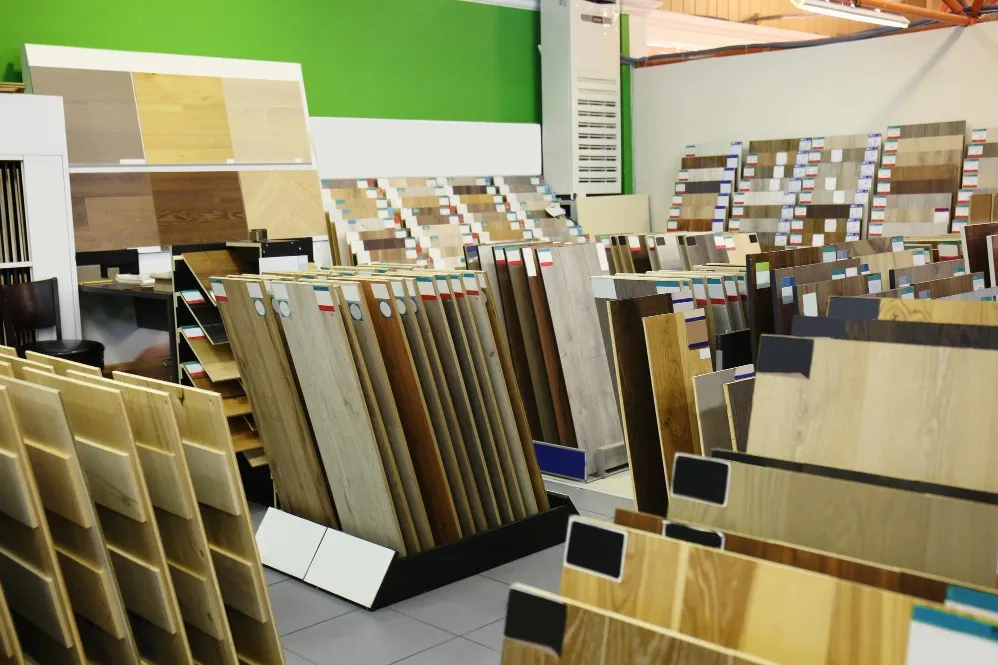
Natural veneer introduces real wood grain and visual depth into furniture and interior surfaces. However, choosing an attractive sample is only the beginning. The veneer supplier must also help buyers understand sheet size, grain variation, matching possibilities and finishing requirements.
This support becomes particularly important when several panels must appear coordinated across a room.
Clarify the Design Direction
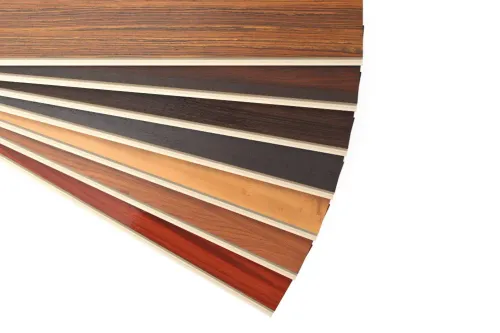
Before approaching a supplier, define the atmosphere the project should create. Light veneers may support calm, contemporary interiors, while darker tones can introduce formality and visual weight.
Design references are useful, but natural wood should not be expected to match a digital image exactly. Every log has individual colour and grain characteristics.
Communicate whether the project needs:
- Straight and consistent grain
- Flowing crown patterns
- Strong natural variation
- Subtle visual movement
- Matching sheets
- A particular colour family
- Material suitable for large panels
These details help the supplier present relevant options.
Inspect Full Sheets
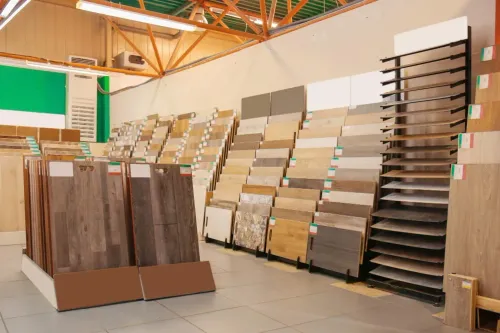
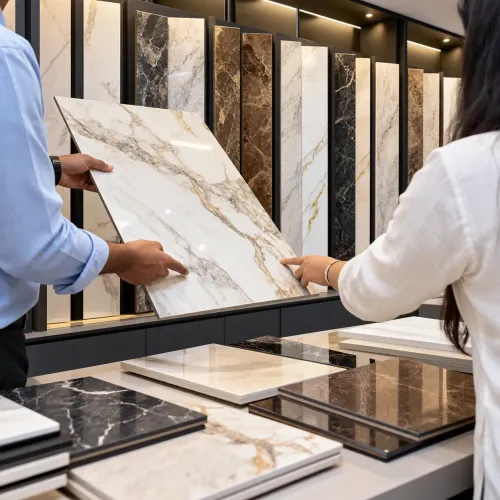
Small samples do not show how veneer will appear across a wardrobe, wall panel or conference table. Buyers should inspect full sheets or a coordinated sequence whenever possible.
Look at grain scale, colour movement, natural markings and usable dimensions. A sheet that appears dramatic in a small sample may dominate a large room.
When veneer is required for multiple adjoining panels, review all proposed sheets together.
Understand Veneer Matching
The arrangement of veneer sheets can significantly affect the final appearance.
Book matching creates a mirrored pattern. Slip matching repeats grain in the same direction. Random matching produces a more informal natural appearance.
None of these methods is universally superior. The right choice depends on the design, sheet availability and panel dimensions.
A capable supplier should explain how the chosen veneer can be laid out before it is pressed onto the substrate.
Coordinate with the Fabricator
The supplier, designer and fabricator should exchange information before material processing begins. The workshop needs panel dimensions, grain direction and matching sequence.
Approved sheets can be numbered and photographed. This helps the fabricator maintain the intended order during cutting and pressing.
Coordination is especially important for large wall panelling, wardrobe banks and furniture with continuous grain.
Discuss the Substrate
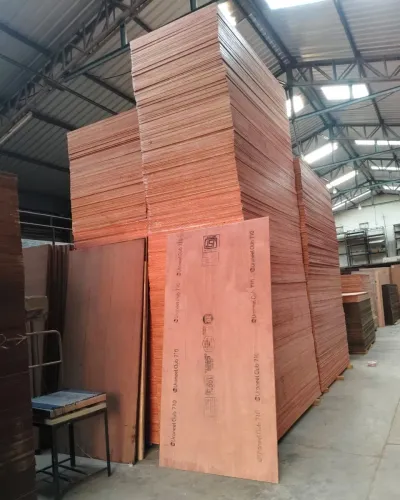
Veneer needs a stable and appropriate base. The plywood specification should reflect component size, environmental conditions and hardware requirements.
Large veneered panels may need suitable balancing material on the reverse face. Adhesive selection, pressing and edge preparation also influence the finished result.
The supplier should be able to discuss these practical considerations rather than focusing only on colour.
Review Finishing Samples
Raw veneer can change noticeably after staining or polishing. A finishing sample should be prepared before the entire project is processed.
Review the sample under actual project lighting. Warm and cool light sources can alter the perceived colour of wood.
Pune homes and commercial spaces often receive varied daylight depending on their orientation, making site-based sample approval especially valuable.
National Veneer and Ply supplies veneer and plywood for customised interior requirements in Pune. Providing elevations, dimensions and desired finishing references helps the supplier assist with a coordinated selection.
A reliable veneer supplier contributes material knowledge, matching support and realistic expectations about natural variation. These qualities help prevent last-minute changes and support a more refined finished interior.
The best results emerge when material selection and fabrication planning take place together.
Keywords