A supplier influences more than the arrival of materials at a project site. Product guidance, batch consistency, storage practices and replacement support can affect fabrication quality and project schedules. Choosing veneer and plywood suppliers solely on the lowest quotation can therefore introduce hidden risks.
Buyers in Pune can avoid several common mistakes by evaluating the complete supply process.
Selecting from a Small Sample Alone
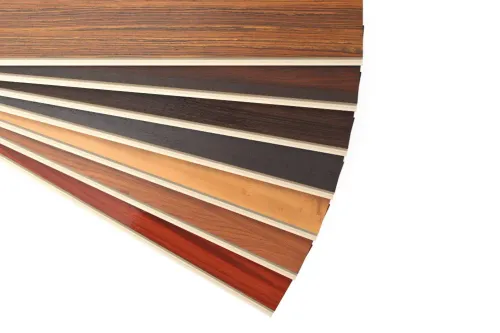
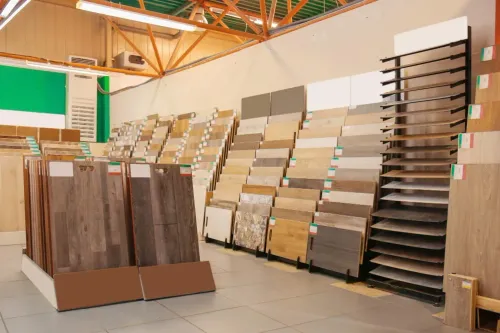
A hand-sized veneer sample cannot show how grain and colour will appear across a wall, wardrobe or conference table. Natural veneer has variation, and large projects require coordinated sheet selection.
Ask to review full sheets or a representative set from the intended batch. The fabricator and designer should approve the layout before pressing begins.
Treating Every Plywood Grade as Interchangeable
Plywood intended for dry interior furniture should not automatically be used in areas exposed to moisture. Buyers must explain the application clearly and confirm that the recommended product matches the conditions.
Substituting an apparently similar sheet during procurement can create performance issues later. Product names, grades and thicknesses should be recorded in the purchase documentation.
Ignoring Storage Conditions
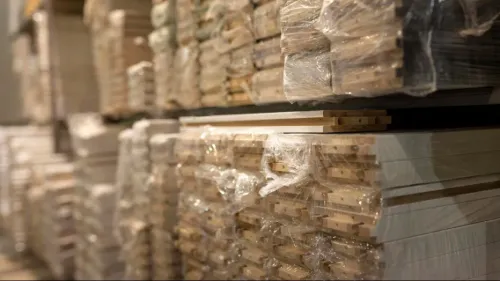
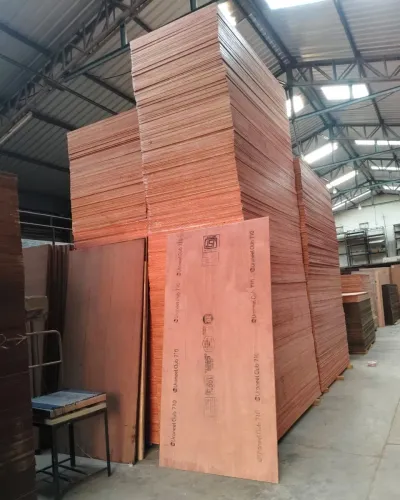
Even suitable material can be affected by poor storage. Veneer requires protection from moisture, dirt and direct sunlight. Plywood should remain flat and properly supported.
When visiting a supplier, observe how sheets are handled and stacked. This provides useful insight into the condition in which the order may arrive.
Storage deserves extra attention during Pune’s monsoon, particularly when deliveries are being made to active construction sites.
Comparing Only the Sheet Price
A quotation should be assessed alongside:
- Actual dimensions
- Thickness consistency
- Face grade
- Core quality
- Delivery charges
- Minimum quantity
- Lead time
- Replacement procedure
- Batch matching
- Availability of future supplies
A lower sheet price may be offset by higher wastage, rejected surfaces or production delays.
Ordering Too Late
Decorative veneer selection can take time, especially when a project requires matching sheets or a particular grain character. Waiting until furniture production begins limits choices and may disrupt the schedule.
Material selection should be integrated into the design and procurement programme. This gives the supplier time to confirm quantities and helps the fabricator plan cutting layouts.
Failing to Coordinate with the Fabricator
Designers may approve a veneer based on appearance while fabricators discover later that the available sheet size or matching pattern complicates production.
Bringing the supplier, designer and workshop team into the same discussion prevents avoidable misunderstandings. Dimensions, grain direction and finish expectations should be agreed upon before material is processed.
Accepting Vague Recommendations
A dependable supplier should be able to explain why a particular product suits an application. General statements such as “best quality” provide little practical value.
National Veneer and Ply works with architects, contractors, furniture manufacturers and homeowners seeking veneer and plywood supplies in Pune. Sharing project drawings, surface areas and environmental conditions can lead to more relevant recommendations.
Overlooking Documentation
Orders should identify the material, grade, thickness, quantity and approved decorative selection. Photographs of approved veneer sheets can support communication between the showroom, workshop and site team.
Choosing a supplier is ultimately about reducing uncertainty. Buyers should look for material knowledge, transparent specifications and reliable coordination in addition to competitive pricing. This approach protects the quality of the finished interior and reduces the likelihood of costly last-minute substitutions.
Keywords