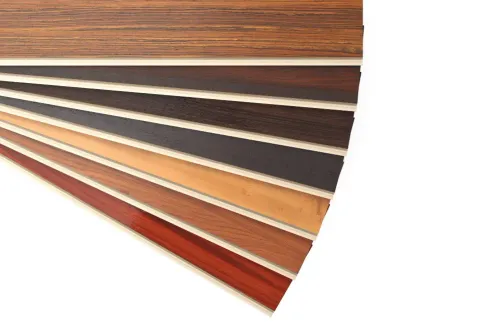
Decorative laminates offer enormous design flexibility. Woodgrains, stone-inspired patterns, solid colours, textures, and contemporary finishes can all influence the character of furniture and interior surfaces.
The difficulty is that appearance alone does not determine whether a laminate is appropriate for a particular project.
When evaluating Decorative Laminate Suppliers in Pune, designers, contractors, furniture manufacturers, and homeowners should compare the material in the context of where and how it will be used.
Begin With the Surface, Not the Catalogue
Large catalogues can make selection overwhelming.
Narrow the options by identifying the actual surface first. Is the laminate intended for a wardrobe, kitchen shutter, office workstation, retail fixture, wall panel, reception counter, or another application?
Once the application is clear, the visual and practical requirements become easier to define.
For example, a decorative finish selected for a feature panel may be chosen primarily for visual impact, while a frequently handled furniture surface may require greater attention to day-to-day practicality.
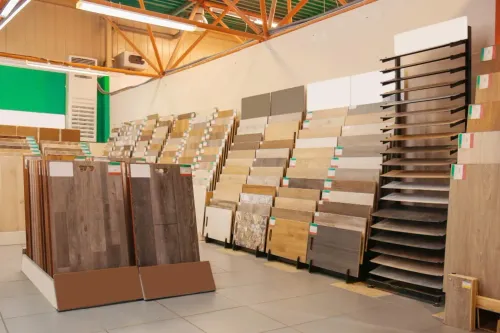
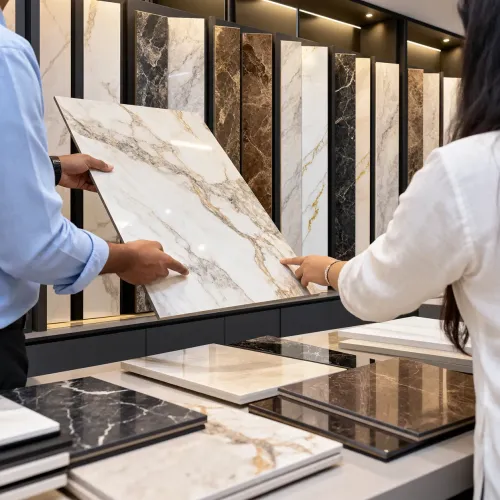
Compare Texture in Person
Digital images are useful for shortlisting but can be misleading when evaluating texture and scale.
A woodgrain laminate may look subtle on a screen but considerably more pronounced across a full sheet. Likewise, a stone-inspired pattern can change character when viewed over a larger area.
Physical samples allow designers to evaluate:
- Texture
- Sheen
- Pattern scale
- Colour
- Light reflection
- Compatibility with nearby materials
For important design decisions, samples should ideally be viewed under lighting conditions similar to the actual space.
Coordinate Laminates With the Entire Palette
A laminate rarely appears alone.
It may sit next to flooring, wall paint, upholstery, metal profiles, countertops, glass, natural veneer, or stone.
Instead of approving each material independently, place shortlisted samples together.
This simple step can reveal undertone conflicts that are difficult to notice when materials are viewed separately.
For Pune homes and commercial spaces where natural and artificial lighting can change significantly throughout the day, checking samples in different light conditions can be particularly useful.
Think About Pattern Direction
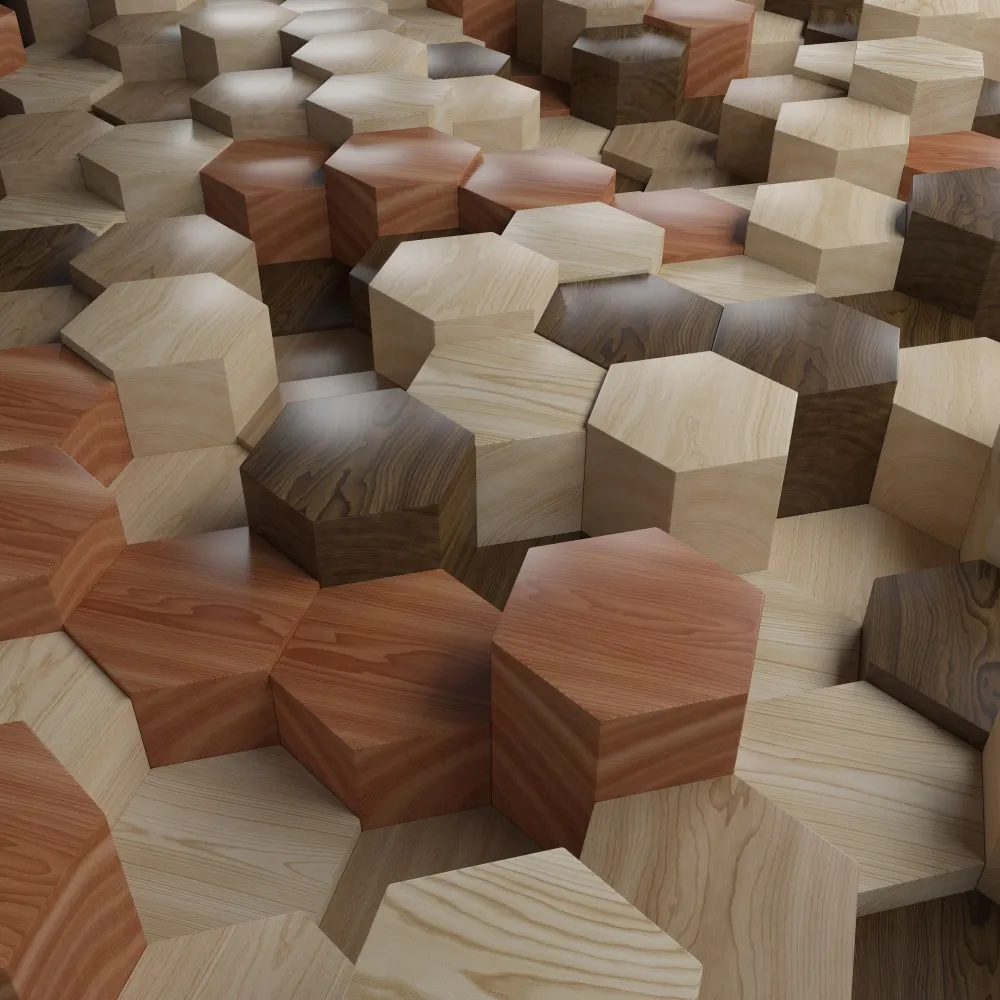
Wood-look and directional laminates require planning.
A furniture drawing should indicate how the pattern will run across shutters, drawer fronts, panels, and other components.
Unplanned changes in direction can make otherwise well-built furniture appear visually inconsistent.
Furniture manufacturers and contractors should therefore receive clear design instructions before cutting begins.
Calculate Quantity With Fabrication in Mind
Ordering based only on visible square footage may underestimate actual requirements.
Sheet cutting, grain or pattern direction, panel dimensions, edge details, and wastage can affect the quantity needed.
Complex furniture layouts may create more offcuts than straightforward panels.
Before confirming an order, the designer and fabricator should coordinate the material schedule.
Compare Suppliers on More Than Design Range
A large collection is useful, but buyers should also consider whether the supplier can help with practical project requirements.
Questions worth asking include:
- Is the shortlisted design available in the required quantity?
- Can representative samples be reviewed?
- Are relevant specifications available?
- Will additional quantities be obtainable if required?
- Are complementary interior surface options available?
- Is the product suitable for the intended application?
These questions become particularly important on larger projects.
Build a More Controlled Selection Process
National Veneer & Ply can be considered by buyers comparing plywood, veneers, laminates, and associated decorative surface materials for Pune projects.
A practical laminate selection process starts with the application, reduces the catalogue to a manageable shortlist, checks physical samples, coordinates colours and textures, and confirms quantity before fabrication.
This approach is far more reliable than selecting a design from a photograph and resolving technical details later.
The most useful Decorative Laminate Suppliers in Pune are therefore not simply sources of attractive catalogues. They should fit into a procurement process where design choice, application requirements, quantities, and fabrication considerations are clarified before the order reaches the workshop.
Keywords