Decorative laminates are widely used in homes, offices, retail stores, hospitals, schools and hospitality projects because they combine visual choice with everyday practicality. They can reproduce solid colours, abstract patterns, fabric textures, stone effects and wood-inspired finishes across a consistent surface.
For interior projects in Pune, laminates are often considered where easy maintenance, predictable colour and cost control are important.
Understanding Decorative Laminates
A decorative laminate is a manufactured surface material applied to a suitable substrate, commonly plywood or engineered board. Its visible layer determines the colour and texture, while the underlying construction provides strength and stability.
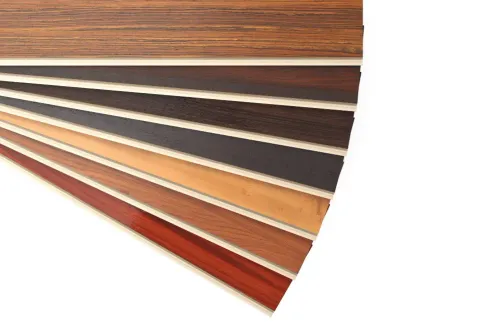
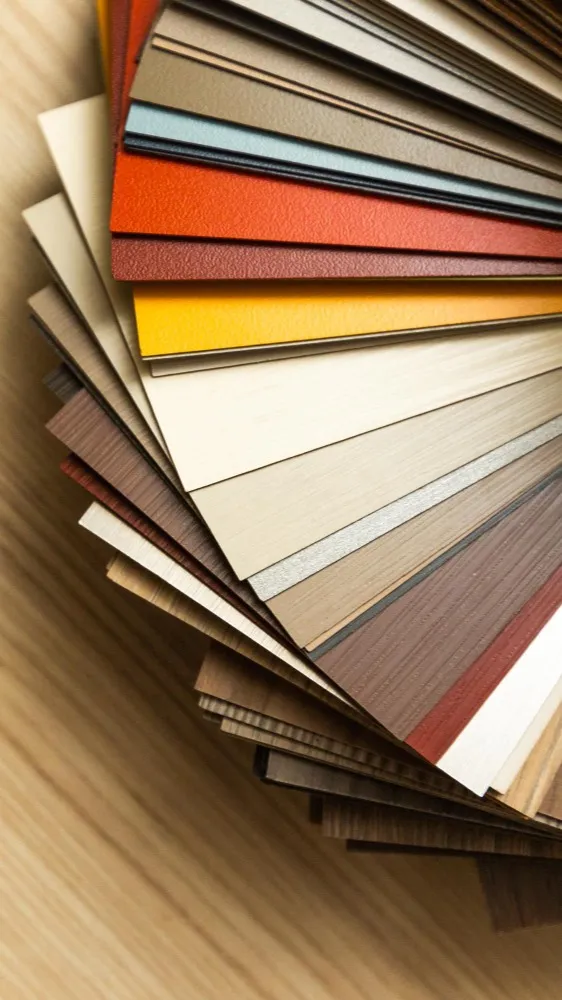
Laminates are available in several finishes, including:
- Matte
- Gloss
- Suede
- Textured
- Wood grain
- Metallic
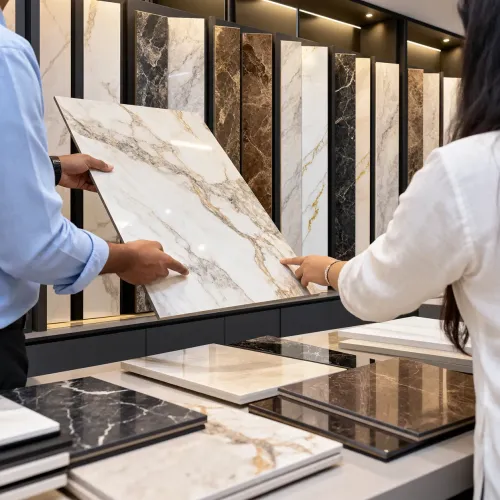
- Stone-inspired
- Anti-fingerprint options
- Solid colours
The right selection depends on where the surface will be used and how frequently it will be handled.
Where Laminates Work Well
Decorative laminates are commonly applied to wardrobe shutters, kitchen cabinets, office desks, retail counters, wall panels and storage units. Their consistent appearance makes them useful for projects requiring repeatable finishes across multiple rooms or locations.
They can also be combined with natural veneer. For example, high-visibility areas may use veneer as a focal material, while internal cabinet surfaces or secondary units use complementary laminates.
Compare Appearance with Maintenance
A finish should be assessed under real usage conditions. High-gloss laminates can create a polished appearance but may show fingerprints and surface marks more readily. Dark matte finishes may reveal dust, while deeply textured surfaces can require more attention during cleaning.
Busy households and commercial spaces often benefit from finishes that tolerate regular wiping and do not highlight minor marks.
Evaluate Colour Under Actual Lighting
Showroom lighting can change how a laminate appears. A grey surface may develop blue or warm undertones depending on the light source. Large areas also appear more visually dominant than small samples.
Buyers should take samples to the project site and review them during daylight and under the proposed artificial lighting. Adjacent flooring, wall colours and fabrics should be considered at the same time.
Choose a Suitable Substrate
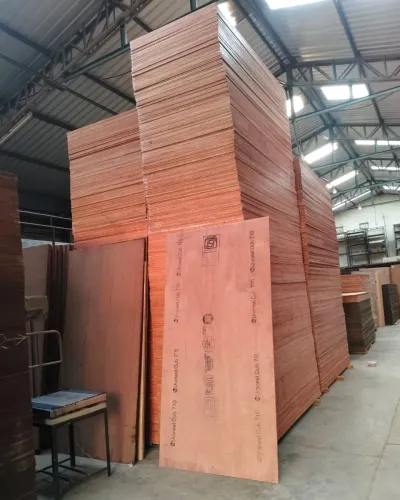
A decorative laminate performs as part of a complete panel system. The plywood or board underneath should be selected according to moisture exposure, hardware requirements and expected load.
Large shutters may need balancing laminate on the reverse side to support stability. Fabrication quality, adhesive application and edge finishing also influence the final result.
Plan Joints and Edges
Even an attractive laminate can look unfinished if edge bands, joints and handles are poorly coordinated. Edge colour can match the face or provide a deliberate contrast.
Design drawings should clarify grain direction for wood-pattern laminates. Inconsistent orientation across adjacent shutters can make a modular installation appear unplanned.
Review Full-Size Samples Where Possible
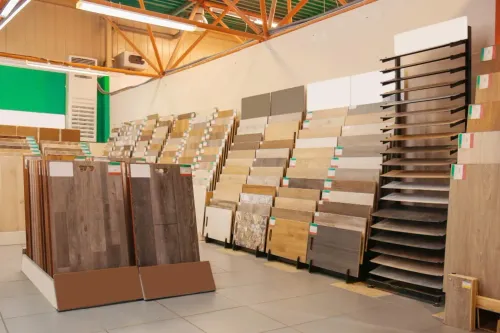
Small catalogue pieces are useful for initial shortlisting, but larger samples reveal pattern scale and texture more accurately. This is particularly important for stone effects and pronounced wood grains.
National Veneer and Ply offers decorative surface options for furniture and interior requirements in Pune. Comparing laminates alongside plywood, veneer and edge treatments helps buyers develop a more coordinated material palette.
Decorative laminates are most successful when selected for both appearance and daily use. A finish that complements the design, suits the substrate and matches the maintenance expectations of the occupants will deliver greater long-term value than one chosen from colour alone.
Keywords