
Sustainability in interiors is increasingly moving beyond decorative trends. Architects, designers, developers, furniture manufacturers, and homeowners are paying greater attention to where materials come from, how efficiently they are used, and whether purchasing decisions support more responsible resource use.
This has increased interest in Eco-Friendly Veneer and Plywood, but the term 'eco-friendly' should be examined carefully rather than accepted simply because it appears on a product description.
Why Veneer Can Be Material-Efficient
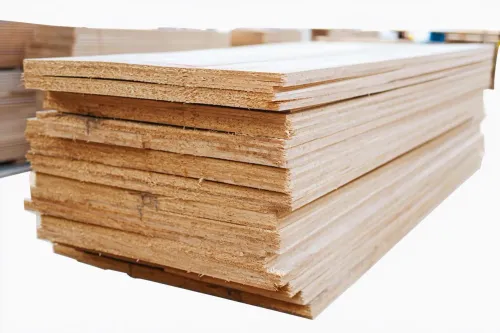
Natural wood is valued for its grain and character. Veneer uses a comparatively thin layer of decorative wood to create a genuine wood surface over a suitable substrate.
From a material-utilisation perspective, this allows the visual appeal of a particular wood to be extended across a larger surface area than would be possible if every component were made from thick solid timber.
This makes veneer relevant to projects that want a natural wood appearance while using wood resources more efficiently.
Sustainability Involves More Than the Face Material
A surface cannot be evaluated in isolation.
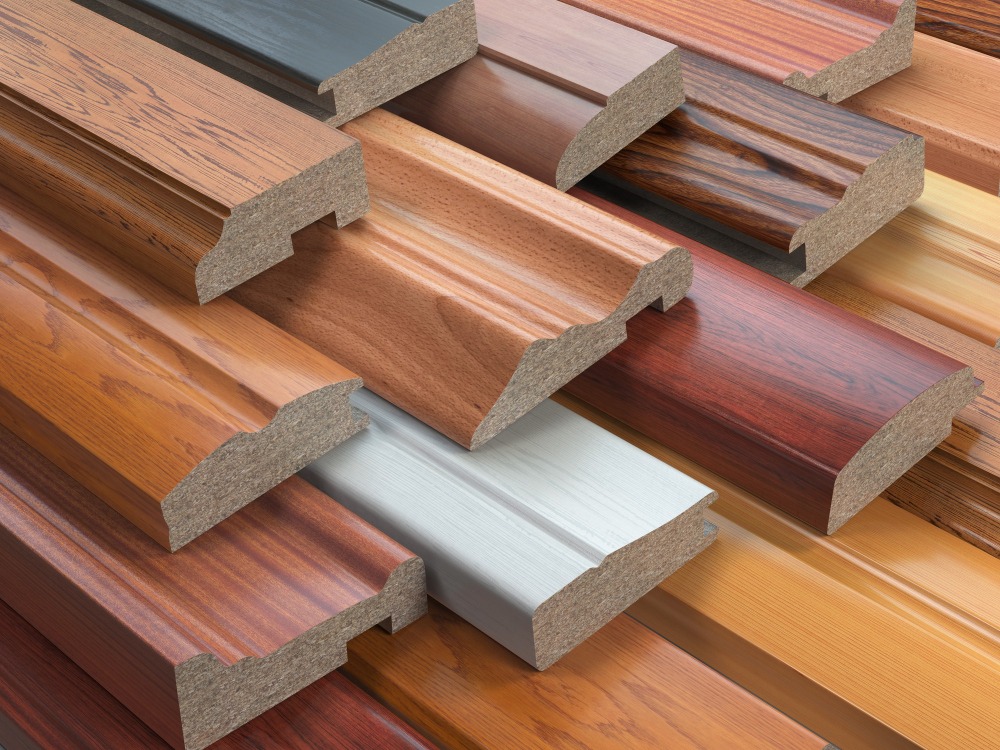
A veneer may be applied to plywood, MDF, or another engineered substrate. Adhesives, finishes, coatings, fabrication practices, expected service life, and eventual replacement requirements all contribute to the broader material picture.
For this reason, sustainability discussions should consider the complete assembly rather than focusing only on the decorative layer.
Durability Can Also Affect Environmental Impact
A material that lasts appropriately for its intended application may reduce the need for premature replacement.
This makes correct specification an important part of responsible design.
For example, selecting an unsuitable panel for an area exposed to challenging conditions can result in damage and early replacement. Even if the original material was marketed using environmental terminology, frequent replacement undermines the practical sustainability of the project.
Designing for longevity is therefore an important consideration.
Ask Specific Questions Instead of Relying on Labels
Buyers evaluating environmentally conscious materials can ask suppliers more focused questions.
Useful areas to explore include:
- Source and type of wood
- Available product documentation
- Manufacturing information
- Intended application
- Material efficiency
- Expected durability
- Recommended maintenance
- Suitability for the chosen finish
If particular environmental certifications or standards are required for a project, architects and developers should request the relevant documentation rather than assuming compliance from general marketing language.
Reduce Waste During Design
Responsible material use begins at the drawing stage.
Standard sheet dimensions should be considered when furniture modules and panels are designed. Thoughtful cutting layouts can reduce offcuts, particularly across larger developments or commercial fit-outs.
Veneer matching should also be planned before fabrication. If a project requires visually continuous surfaces, adequate quantities should be identified early so that unnecessary replacement or reordering can be avoided.
Use Materials According to Their Strengths
Not every visible surface needs the same material.
Natural veneer may be prioritised where wood character is central to the design. Laminates may be appropriate for other areas based on maintenance, design, or practical requirements. Plywood specifications can also vary according to where the board is being used.
A thoughtful material palette can therefore be more resource-conscious than specifying one premium material indiscriminately throughout a project.
Why This Matters in Pune
Pune continues to see residential, commercial, hospitality, office, and redevelopment activity across a wide range of project scales. As material volumes increase, specification decisions made by architects, designers, contractors, and developers can have a meaningful cumulative impact.
National Veneer & Ply serves buyers operating within this interior-material environment, where questions about appearance are increasingly being accompanied by questions about responsible sourcing and efficient use.
Choosing Eco-Friendly Veneer and Plywood should ultimately be based on verifiable product information, appropriate application, efficient design, and expected longevity.
Sustainability is strongest when it becomes part of the specification process rather than a label added after the material has already been chosen.