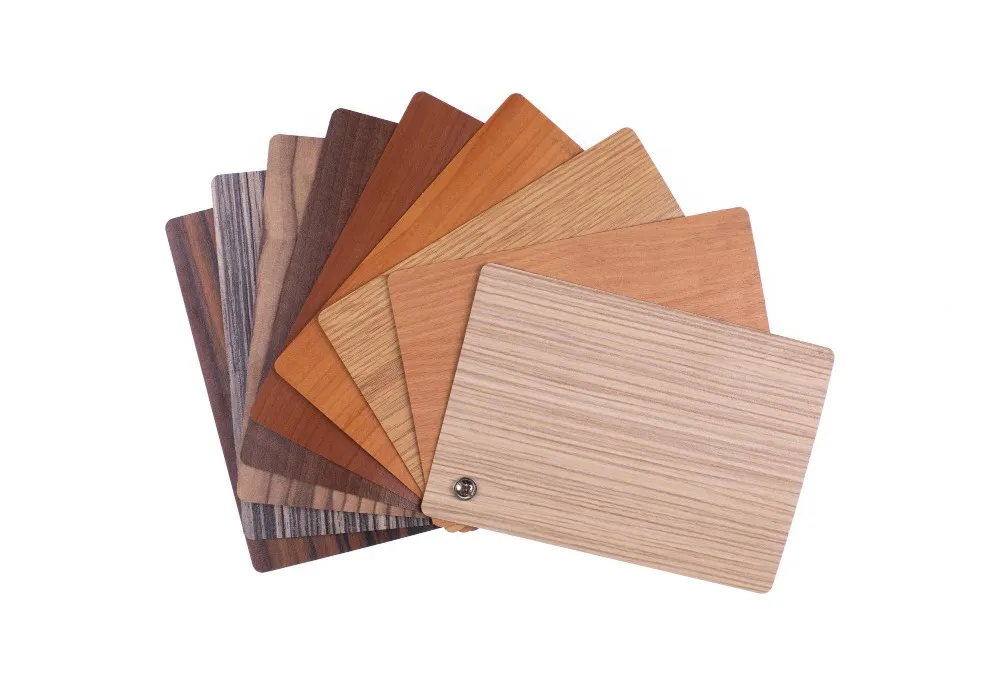
Plywood durability is not determined by a single label. It results from the combined effect of product grade, core construction, installation, finishing and maintenance. Even a well-made sheet can perform poorly if it is used in the wrong environment or left with unprotected edges.
For homeowners and project professionals in Pune, understanding these factors can prevent common furniture problems such as swelling, delamination, sagging and loose hardware.
Match the Board to the Environment
The first step is to evaluate where the plywood will be installed. A bedroom wardrobe usually faces different conditions from a kitchen cabinet, bathroom storage unit or commercial counter.
Consider:
- Expected moisture exposure
- Possibility of plumbing leakage
- Indoor humidity
- Direct sunlight
- Weight placed on shelves
- Frequency of opening and closing
- Heat generated by nearby appliances
- Risk of termite activity
The plywood specification should reflect these conditions. Selecting an expensive product without understanding its intended use does not automatically improve performance.
Protect Cut Edges
Cut edges expose the internal layers of a plywood sheet. If these edges remain untreated near a damp wall, floor or sink, they may absorb moisture more readily.
Fabricators should seal edges correctly and apply suitable edge bands, lipping or finishing materials. Special attention is needed around sink cut-outs, service openings and hardware holes.
Edge protection is one of the simplest ways to increase the useful life of plywood furniture.
Prevent Direct Water Contact
Moisture-resistant products are intended to manage specific exposure conditions, but they should not be installed in a way that allows water to collect continuously.
Kitchen and bathroom units should be designed with adequate clearance from wet floors. Plumbing connections must remain accessible for inspection. Leaks should be repaired promptly rather than hidden behind cabinets.
During Pune’s monsoon, external seepage and damp walls can also affect built-in furniture. Waterproofing problems should be resolved before installation.
Use Suitable Hardware
Furniture durability depends on the relationship between the board and its fittings. Incorrect screws, poorly drilled pilot holes or hardware placed too close to an edge can weaken the component.
Heavy shutters require an appropriate number of hinges. Wide shelves may need additional support to prevent gradual bending. Hardware decisions should account for the dimensions and weight of each part.
Support Long Spans
Plywood has good structural utility, but unsupported spans can sag under sustained loads. Bookshelves, loft storage and pantry units should be designed with suitable dividers or reinforcement.
The correct support spacing depends on plywood thickness, shelf depth and expected load. Furniture drawings should specify these details rather than leaving them to on-site judgement.
Finish Every Relevant Surface
Applying a decorative finish only to the visible face can create an imbalance, particularly in large shutters or panels. Suitable balancing material on the reverse face helps support dimensional stability.
The finishing system should be compatible with the plywood and the installation environment. Veneer-polished furniture also needs appropriate sealing to protect the natural surface.
Inspect Material Before Fabrication
Sheets should be checked for flatness, edge quality, core gaps and surface defects before cutting. Damaged material should not be hidden inside finished furniture.
National Veneer and Ply helps buyers in Pune compare plywood options according to their practical applications. Clear discussion between the material provider, designer and fabricator can prevent unsuitable substitutions.
Durability begins long before furniture enters daily use. Correct specification, protected edges, thoughtful construction and timely maintenance work together to create dependable interiors. Focusing on the complete system produces better results than relying on any single product claim.
Keywords