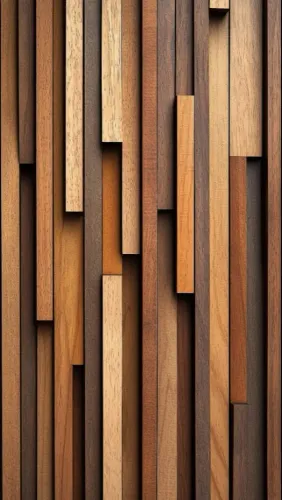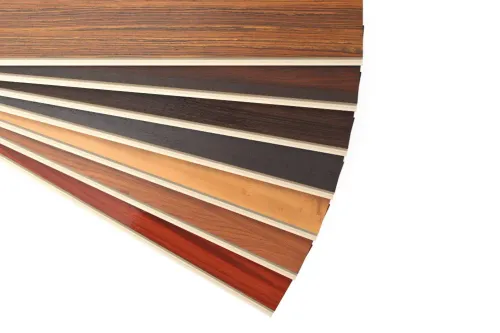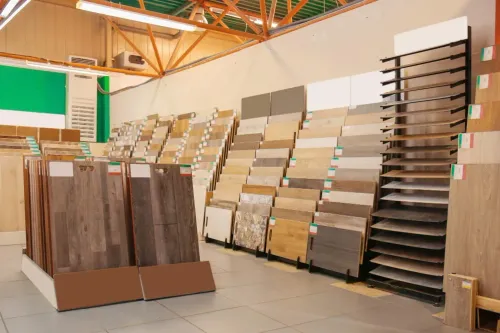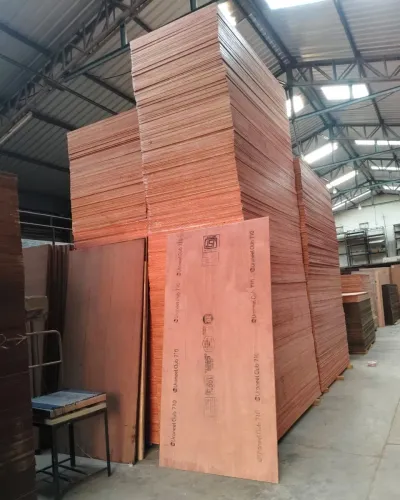
Premium veneer is selected not only for its wood species but also for grain character, sheet coordination and suitability for a particular design. It is frequently used in customised residences, executive offices, hospitality spaces and statement furniture where natural visual depth is important.
Its value becomes most apparent when material selection, panel layout and finishing are handled with care.
What Makes Veneer Premium
Premium veneer should not be understood as veneer without natural variation. Variation is one of the reasons designers choose real wood surfaces.
The term generally refers to material selected for particular decorative qualities and project requirements. Evaluation may include:
- Grain clarity
- Sheet dimensions
- Colour relationship
- Quality of slicing
- Natural markings
- Matching potential
- Availability of coordinated sheets
- Suitability for finishing
A highly uniform veneer may suit one project, while dramatic grain movement may be desirable for another.
Selecting the Right Cut
The method used to slice veneer influences its visual pattern.
Crown-cut veneer often displays flowing, cathedral-like grains. It works well on large furniture fronts and feature walls.
Quarter-cut veneer typically has straighter grain lines, making it suitable for clean architectural interiors.
Other cutting and reconstruction methods can create distinctive or more consistent decorative patterns.
The chosen cut should support the design rather than being selected only because it appears unusual.
Planning Large Surfaces
Premium veneer needs careful layout when used across several panels. A strong grain pattern can look disorganised if sheets are joined without planning.
Designers should prepare elevations showing grain direction and panel divisions. Full sheets can then be arranged according to the desired matching method.
This process helps maintain visual continuity across wardrobes, doors and wall panels.
Pairing Veneer with Other Materials
Veneer often has greater impact when it is used selectively. Covering every surface with pronounced grain can make a room appear heavy.
It can be combined with:
- Neutral laminates
- Painted panels
- Glass
- Stone
- Metal
- Textured fabrics
- Plain flooring
A veneered feature wall may become the focal point while simpler surrounding surfaces create balance.
Choosing the Finish
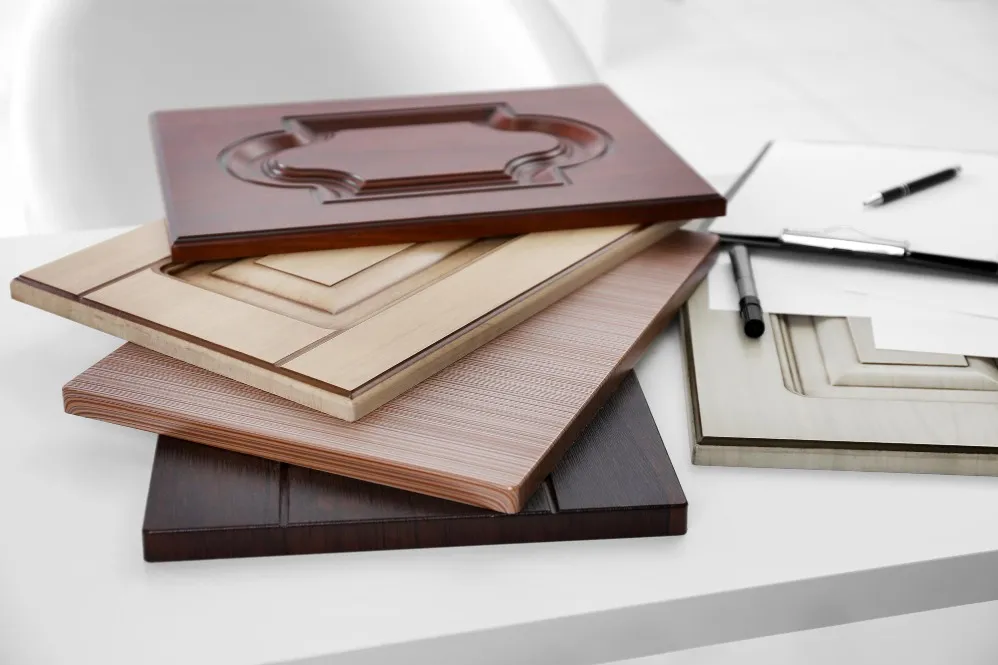
Finishing changes the colour, depth and texture of natural veneer. Matte finishes can retain a subtle contemporary character. Gloss finishes make grain more prominent, while open-grain treatments preserve more of the wood’s tactile quality.
The finish should also suit everyday maintenance. Frequently handled furniture may require a protective system appropriate to the expected use.
A sample must be prepared before full-scale finishing. Colour decisions made from raw veneer alone may produce unexpected results.
Supporting Material Performance
Premium veneer cannot compensate for an unsuitable substrate or weak fabrication. It should be applied to stable plywood using correct adhesive and pressing methods.
Large panels may require balancing on the reverse side. Edges must be finished carefully because poor lipping or exposed layers can reduce the quality of the entire piece.
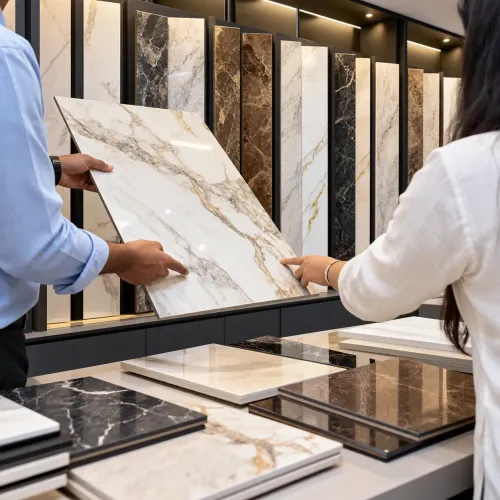
National Veneer and Ply supports architects, designers and homeowners seeking premium veneer for interior projects in Pune. Reviewing full sheets and discussing panel dimensions early can improve material utilisation and matching.
Premium veneer succeeds when natural character is supported by technical planning. Careful sheet selection, controlled fabrication and an appropriate finish allow the material to create distinction without appearing excessive.
This makes it a meaningful choice for bespoke interiors intended to feel individual and thoughtfully composed.
Keywords