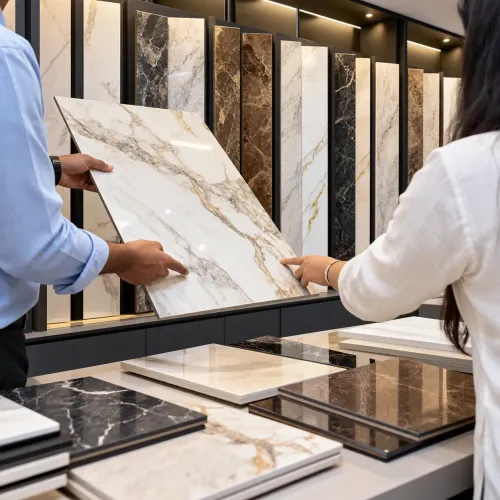
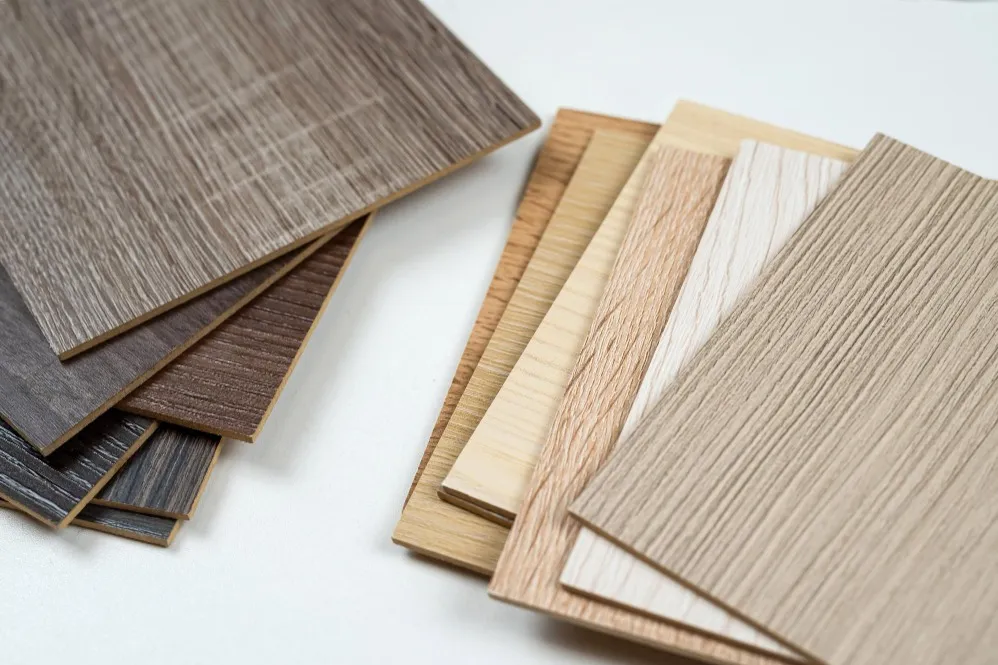
Veneer can completely change the character of an interior. A carefully selected wood veneer brings natural grain, warmth, depth, and individuality to furniture and architectural surfaces without requiring every component to be made from solid timber. However, choosing Premium Quality Veneer in Pune involves more than finding an attractive grain pattern.
Interior designers, architects, furniture manufacturers, contractors, and homeowners should consider appearance, consistency, substrate compatibility, finishing requirements, and the intended application before finalising a veneer.
Start With the Design Application
The right veneer depends heavily on where it will be used. A dramatic grain that works beautifully on a feature wall may not be the most suitable choice for a large set of modular cabinets.
Veneer is commonly considered for:
- Wardrobes and storage units
- Residential furniture
- Office furniture
- Wall panelling
- Reception areas
- Doors
- Conference tables
- TV units
- Decorative partitions
- Hospitality interiors
Before selecting a design, determine how much surface area will be covered and how prominently the veneer will appear within the room.
Look Beyond Colour
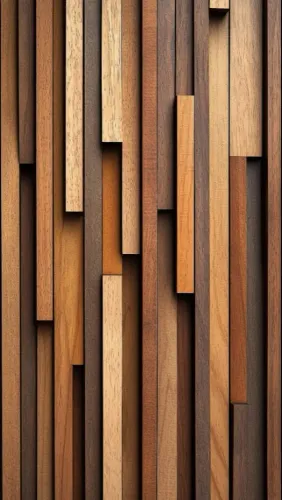
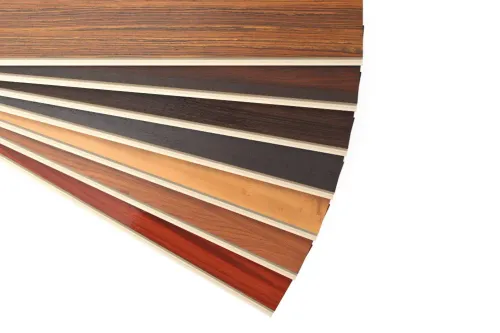
Colour is often the first thing buyers notice, but natural grain is equally important.
Some veneers have relatively straight grain patterns, while others display more movement and variation. Depending on the species and cut, the visual effect can range from understated to highly expressive.
For large installations, designers should consider how multiple veneer leaves will look when placed together. Grain matching and overall visual continuity can have a substantial effect on the finished appearance.
This becomes especially important for large wardrobes, wall panels, doors, and conference-room installations.
Understand Natural Variation
One of the attractions of veneer is that it retains the visual characteristics of natural wood. That also means some variation should be expected.
Unlike printed decorative surfaces, natural veneer does not necessarily reproduce an identical pattern from one sheet to another. Grain, shade, figure, and other visual characteristics may vary.
Rather than treating every variation as a defect, buyers should evaluate whether the overall selection creates the intended design language.
For premium projects, reviewing representative samples before confirming larger quantities can help avoid mismatched expectations.
Think About the Final Finish Early
A veneer should not be selected independently of the finish that will eventually be applied.
Polishing and coating can influence how the grain and colour appear. Depending on the design concept, the finished surface may be intended to look natural, richer, darker, more contemporary, or more traditional.
Interior professionals should therefore coordinate veneer selection with the polishing or finishing plan instead of making these decisions separately at different stages.
Check the Supporting Material
The appearance of the veneer receives most of the attention, but the underlying panel is part of the complete installation.
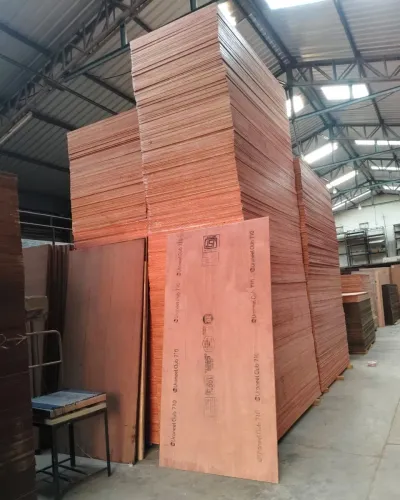
Furniture and interior applications may involve plywood, MDF, or other engineered boards depending on the design and technical requirement.
The substrate should be appropriate for the application, fabrication method, expected loading, environmental conditions, and finishing system.
A visually impressive veneer cannot compensate for an unsuitable base material.
Order With Project Continuity in Mind
For larger projects in Pune, procurement planning matters.
If veneer is being used across several connected areas, sourcing requirements should be estimated before fabrication begins. Purchasing small quantities at different stages can make visual matching more difficult when natural variation is involved.
Architects, designers, contractors, and furniture manufacturers can reduce this problem by calculating quantities carefully and accounting for cutting, matching, and reasonable material allowances.
Evaluate Samples in the Actual Design Context
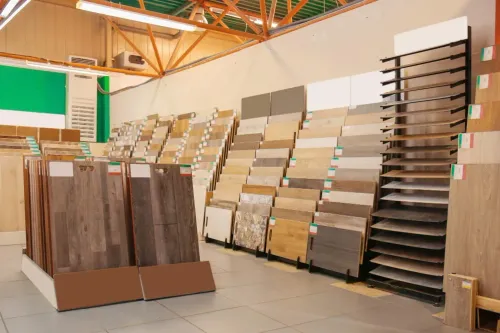
Showroom lighting and site lighting can create different impressions.
Where practical, examine shortlisted samples alongside other materials being used in the project, such as flooring, laminates, fabrics, wall colours, metals, and stone finishes.
This provides a much more realistic idea of whether the veneer complements the complete interior palette.
Pune projects range from compact residential renovations to premium apartments, offices, restaurants, showrooms, and larger developments. Each environment can require a different balance between visual impact, practicality, and budget.
For buyers evaluating National Veneer & Ply, the useful starting point is a clearly defined application rather than simply asking for the most premium-looking option. When veneer selection considers grain, quantity, substrate, finishing, and surrounding materials together, the final interior is more likely to feel coordinated and intentional.
Keywords