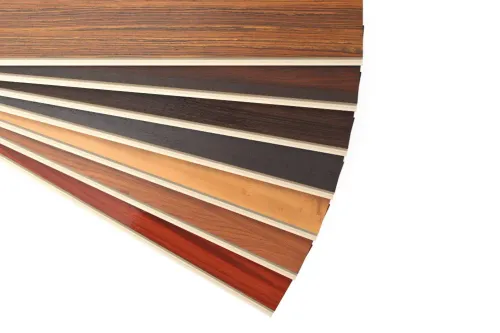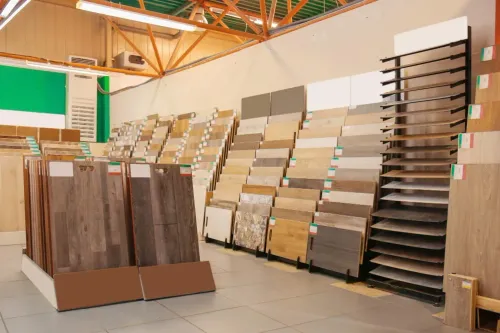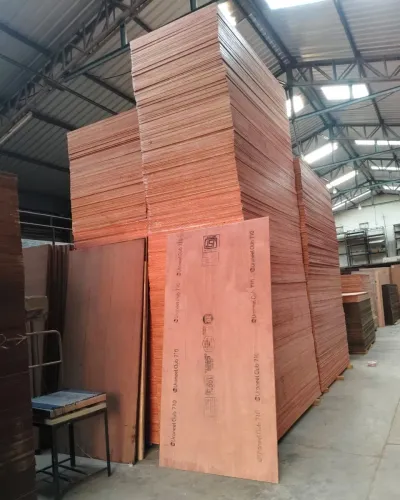

The quality of plywood affects furniture strength, hardware performance and surface finishing. Selecting a plywood manufacturer therefore requires more than comparing catalogues or accepting general quality claims.
A dependable evaluation looks at raw materials, core construction, bonding, dimensional consistency and the manufacturer’s ability to maintain specifications across repeat orders.
Understand the Manufacturing Process
Plywood is created by bonding multiple wood veneer layers with their grain directions arranged across one another. This cross-layered construction contributes to strength and dimensional stability.
The quality of the finished sheet depends on several stages:
- Timber selection
- Veneer peeling
- Veneer drying
- Adhesive preparation
- Layer arrangement
- Pressing
- Trimming
- Sanding
- Grading
- Final inspection
Weak control at any stage can affect the appearance or performance of the board.
Review Raw Material Quality
Different timber species and veneer qualities can be used in plywood construction. Buyers should understand the basic core composition and whether it suits the proposed application.
Veneers must be dried appropriately before bonding. Excess moisture or inconsistent drying can contribute to warping and bonding problems.
For significant orders, ask for technical product information instead of relying only on verbal descriptions.
Examine Core Construction
The core should be reasonably compact and uniform. Large internal gaps can reduce screw-holding capacity and create difficulties during cutting or routing.
Core consistency is especially important for:
- Hinged cabinet shutters
- Beds and structural furniture
- Tall wardrobes
- Loaded shelves
- Drawer systems
- Office workstations
- Modular furniture
Inspecting the edge of a representative sheet can reveal gaps or overlapping layers that are not visible from the face.
Assess Bonding Quality
The adhesive bond holds the plywood layers together. Poor bonding may result in separation during fabrication or after exposure to changing environmental conditions.
Visible gaps between layers, loose edges or localised separation should be treated as warning signs. Buyers can also request information about applicable tests and the recommended conditions of use.
Check Dimensional Consistency
A reliable manufacturer should maintain reasonable consistency in sheet dimensions, thickness and squareness.
Variations can create problems for workshops producing repetitive furniture components. Even a small thickness difference may affect grooves, hinges, edge bands and final alignment.
Measure multiple points on more than one sheet when precision is essential.
Evaluate Surface Preparation
The plywood face must be suitable for the intended decorative finish. Veneer, laminate and paint may each require different levels of surface smoothness.
Inspect the sheet under angled light to identify depressions, raised fibres or repaired areas. Minor surface variations may be acceptable for hidden structural parts but not for premium visible furniture.
Consider Traceability and Supply
Clear product labelling helps buyers identify grades and manage repeat orders. For phased developments, supply continuity may be as important as the quality of the first batch.
Ask about lead times, production capacity, minimum quantities and the process for addressing damaged or non-conforming material.
National Veneer and Ply assists architects, contractors and furniture professionals evaluating plywood for Pune projects. Discussions about application, moisture exposure, load and fabrication methods can produce more meaningful recommendations.
A plywood manufacturer should be assessed on measurable readiness indicators rather than broad promotional language. Consistent construction, technical clarity and predictable supply contribute to better project outcomes.
Thorough evaluation before ordering protects the buyer’s investment and reduces avoidable problems during fabrication.
Keywords