Veneer has become an important surface material in contemporary interior design because it offers the warmth and individuality of natural wood without requiring every furniture component to be made from solid timber. It is widely used for wardrobes, wall panels, office furniture, doors, cabinets, reception areas and customised decorative elements.
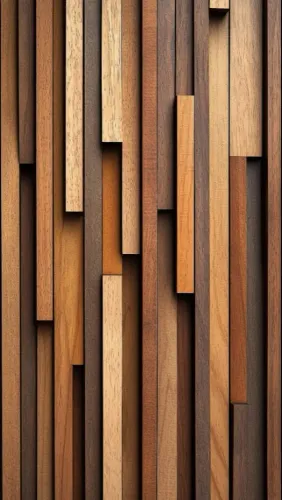
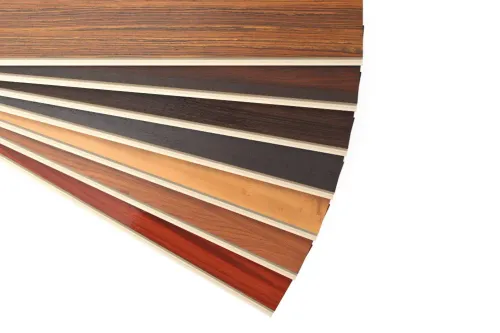
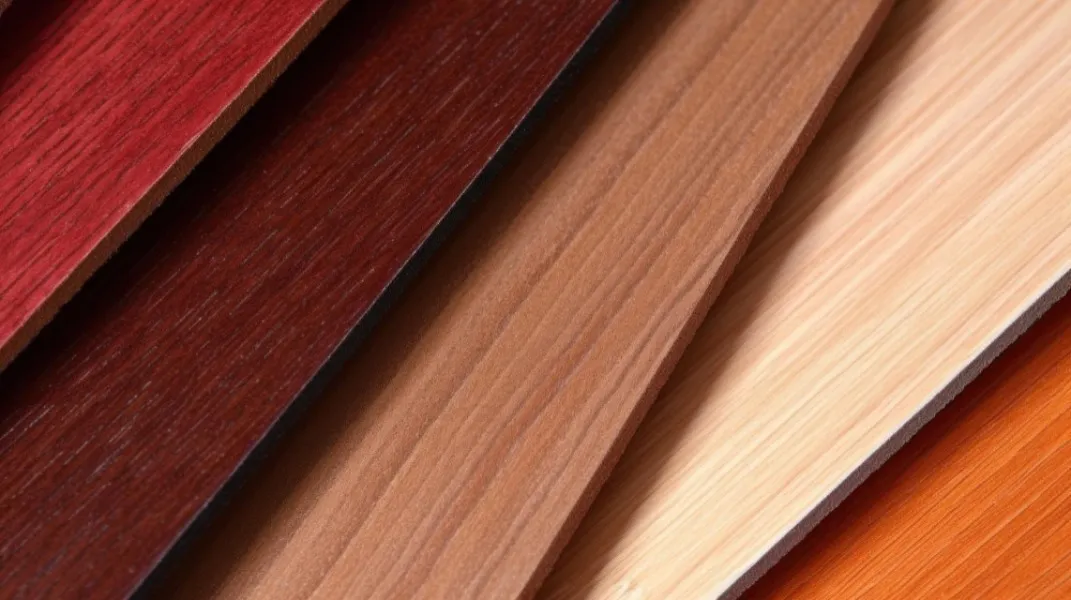
A veneer is a thin layer of natural wood applied over a stable base material such as plywood or engineered board. Since it is obtained from real timber, each sheet carries distinctive grains, colour variations and patterns. These natural differences give completed interiors a character that printed surfaces cannot fully reproduce.
Why Designers Prefer Veneer
Interior designers and architects often select veneer when a project requires a refined yet natural finish. Depending on the wood species, cutting method and finishing technique, veneer can create interiors ranging from understated and contemporary to rich and traditional.
Its practical advantages include:
- Authentic natural wood appearance
- Distinctive grain patterns
- Compatibility with customised finishes
- Efficient use of valuable timber
- Application across large surface areas
- Suitability for residential and commercial interiors
- Flexibility for curved and detailed furniture components
Unlike uniform factory-printed patterns, natural veneer develops visual depth. This makes it particularly effective for statement walls, executive cabins, luxury wardrobes and furniture intended to become a focal point.
Common Types of Veneer Cuts
The appearance of veneer depends significantly on how a log is sliced. Understanding the principal cuts helps buyers choose a pattern suited to their design concept.
Crown Cut
Crown-cut veneer generally has flowing, cathedral-like grain patterns. It is frequently used for large panels, doors and furniture where a recognisable natural wood character is desired.
Quarter Cut
Quarter-cut veneer has straighter and more consistent grain lines. It suits minimal interiors, modular furniture and spaces requiring a clean architectural finish.
Rotary Cut
A log is rotated against a blade to produce a broad and continuous sheet. Rotary-cut veneers often have pronounced patterns and can be useful for larger applications.
Reconstituted Veneer
Reconstituted veneer is manufactured from natural wood fibres arranged to create more consistent patterns and colours. It can be appropriate when uniformity across several panels is important.
Choosing Veneer for Pune Interiors
Pune has a varied mix of compact apartments, premium residences, corporate offices, restaurants and large development projects. The right veneer should therefore be selected according to the application rather than appearance alone.
For frequently handled furniture, buyers should consider the stability of the substrate, edge treatment and protective coating. Wall panels and decorative ceilings may allow greater freedom because they experience less physical contact. Areas exposed to sunlight should be evaluated for possible colour changes over time.
The finish also affects performance. Matte finishes create a subtle natural effect, while glossy finishes make grain patterns more prominent. Open-grain finishes retain the tactile character of wood, whereas filled finishes produce a smoother surface.
Matching Veneer Sheets Properly
Veneer matching determines how individual sheets appear when placed next to each other. Book matching creates a mirrored pattern, while slip matching produces a repeated grain direction. Random matching offers a more organic and less formal appearance.
Before fabrication begins, designers should inspect multiple sheets together rather than approving a single sample. This helps reveal differences in tone and grain that may become noticeable across a large wardrobe or wall.
Manufacturers such as National Veneer and Ply can help professionals in Pune understand veneer cuts, sheet matching and suitable base materials. Early consultation is particularly useful when a project includes large surface areas or customised furniture.
Natural variation is not necessarily a defect. It is part of what gives veneer its individuality. A well-planned selection process uses these variations deliberately, creating interiors that feel balanced, warm and visually connected.
Keywords