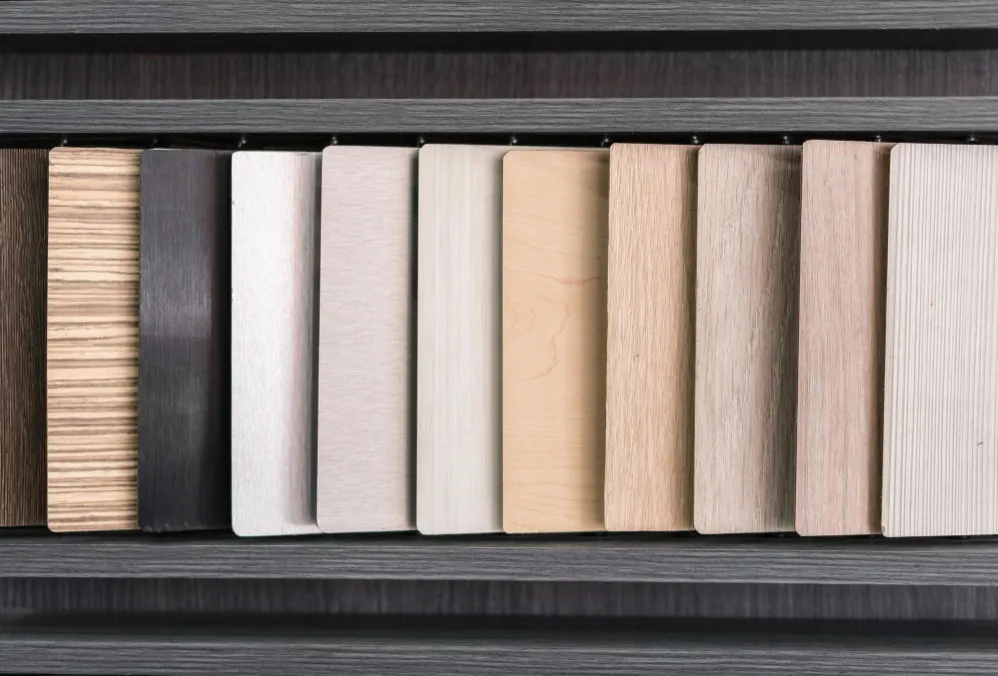
Customer-centric service in the veneer and plywood industry means understanding the buyer’s application before recommending a product. It is not limited to polite communication or quick quotation delivery.
A dependable provider should help customers compare materials, document specifications and coordinate supplies according to their project requirements.
Understanding Different Customer Needs
An architect may need coordinated veneer sheets for a feature wall. A furniture manufacturer may prioritise plywood thickness consistency and repeat availability. A homeowner may need help understanding the differences between finishes.
A contractor may be concerned about delivery timing and material wastage, while a developer may require standardised supplies across several units.
Customer-centric service recognises these differences instead of giving every buyer the same recommendation.
Asking the Right Questions
Before suggesting a product, the provider should understand:
- Intended application
- Required quantity
- Expected moisture exposure
- Panel dimensions
- Decorative preferences
- Project timeline
- Fabrication method
- Delivery location
- Need for repeat supplies
- Budget expectations
These questions reduce unsuitable purchases and allow alternatives to be compared more meaningfully.
Explaining Material Choices Clearly
Technical information should be communicated in practical language. Buyers should understand why a particular plywood grade, veneer type or laminate finish is recommended.
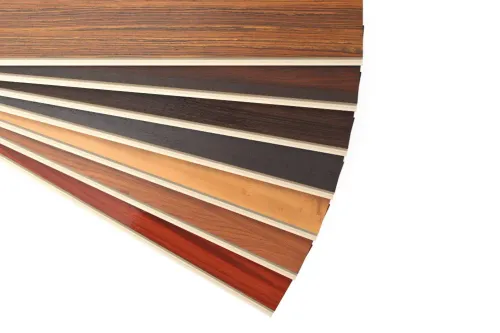
A useful explanation includes both advantages and limitations. For example, natural veneer offers individual grain character but requires careful matching and finishing. A decorative laminate provides consistency but creates a different visual effect.
Transparent guidance helps customers make decisions based on suitability rather than sales language.
Supporting Sample Evaluation
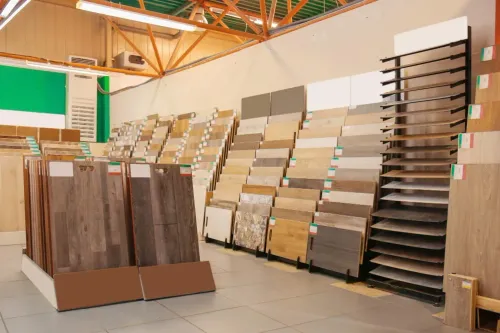
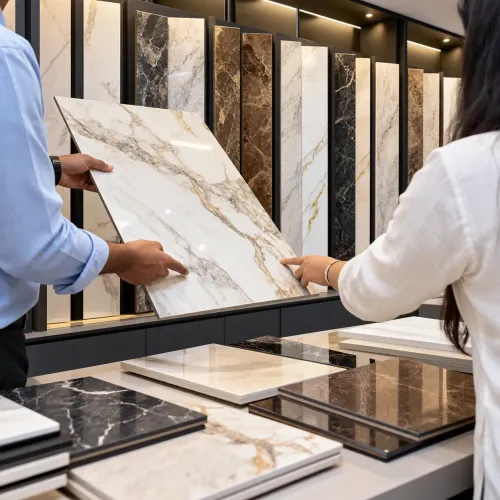
Small samples may not represent how a material will look across a large furniture surface. A service-focused provider should encourage customers to inspect full sheets or larger references where possible.
Veneer sheets intended for adjoining panels should be reviewed together. Laminates should be checked under different lighting and compared with flooring, paint and hardware.
Site-based approval can prevent costly changes after production begins.
Maintaining Clear Documentation
Customer service also includes accuracy. Quotations and orders should identify product descriptions, grades, thicknesses, quantities and delivery expectations clearly.
Approved veneer sheets may be photographed or numbered. This helps the workshop maintain the selected sequence and reduces confusion between different project participants.
Coordinating Delivery Responsibly
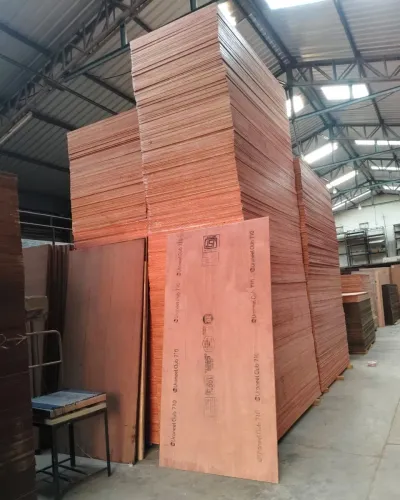
The provider should discuss lead times, site access and material protection. During Pune’s monsoon, covered transportation and prompt unloading are important.
For large orders, phased delivery may help customers manage storage and workshop capacity. The provider should also clarify whether repeat quantities will remain available.
Handling Concerns Professionally
An effective issue-resolution process is an important sign of readiness. Customers should know how to report transit damage or specification concerns.
Material should be inspected before cutting, pressing or polishing. Clear communication at this stage protects both the buyer and supplier.
National Veneer and Ply serves interior designers, architects, contractors, furniture manufacturers, developers, trade buyers and homeowners in Pune. Its role can extend from material comparison to coordinating veneer, plywood and laminate selections for the intended application.
Customer-centric service does not mean promising that one material will solve every requirement. It means providing relevant information, setting realistic expectations and helping the buyer reduce uncertainty.
When customers receive application-based guidance and accurate coordination, they can make better purchasing decisions. This approach supports efficient fabrication, more predictable project schedules and interiors that meet both visual and practical expectations.
Keywords