Veneer is a natural decorative surface, but the durability of veneered furniture depends on much more than the veneer sheet itself. Substrate selection, adhesive application, panel balancing, edge treatment and finishing all influence its performance.
Understanding this complete system helps buyers avoid common problems such as peeling edges, warped shutters and damaged finishes.
Begin with a Stable Substrate
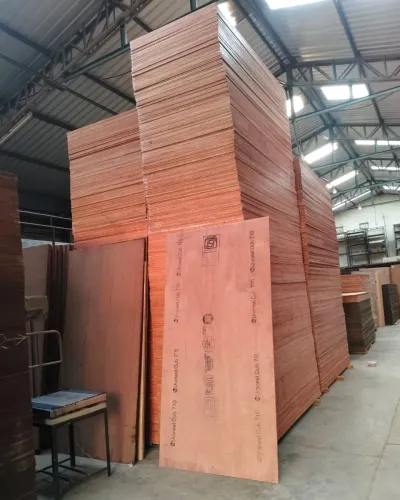
Veneer is normally applied over plywood or another engineered board. The substrate provides structural stability and holds the furniture hardware.
It should be selected according to:
- Component size
- Expected load
- Moisture exposure
- Hardware requirements
- Installation environment
- Fabrication method
An unsuitable or inconsistent base can compromise the performance of even carefully selected veneer.
Apply Veneer Correctly
The veneer must be bonded evenly using an appropriate adhesive and controlled pressing method. Uneven application may create bubbles, loose areas or visible irregularities.
The substrate surface should be prepared before pressing. Dust, depressions and raised fibres can affect the completed panel.
Fabricators should also consider veneer thickness when sanding. Excessive sanding may damage the thin natural surface.
Balance Large Panels
Applying veneer to one side of a large panel can create uneven tension. Suitable balancing material on the reverse face helps support dimensional stability.
This is particularly important for wardrobe shutters, doors and large wall panels. Although the reverse surface may not be visible, it performs an important technical function.
Protect the Edges
Edges receive frequent contact and may expose the internal layers of the substrate. They need suitable lipping, edge treatment or veneer application.
Poorly finished edges can collect dirt, absorb moisture or begin to separate. Sink cut-outs, service openings and furniture near floors deserve extra protection.
Choose a Suitable Coating
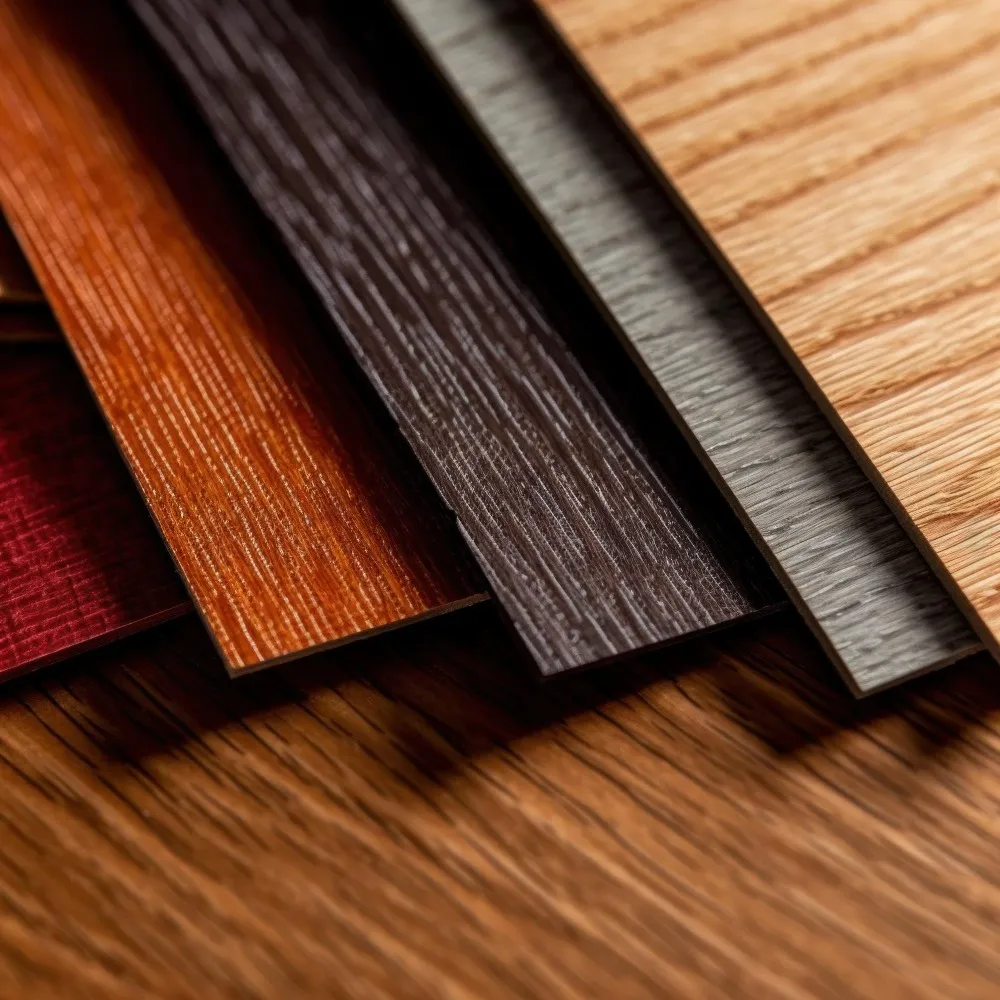
The finish highlights the grain and protects the veneer from everyday contact. The appropriate coating depends on the intended appearance and use.
A dining table, wall panel and wardrobe shutter face different risks. The finishing system should be selected according to cleaning, handling and possible moisture exposure.
Matte and open-grain finishes can create a natural effect, while higher-sheen finishes may make the grain look richer. A sample should be prepared before completing the entire project.
Manage Environmental Exposure
Natural veneer may change colour with prolonged sunlight exposure. Furniture placement, curtains and window treatments can help manage direct light.
Persistent dampness should also be addressed before installing veneered furniture. In Pune, monsoon seepage or damp walls can affect built-in units if the underlying building issue remains unresolved.
Maintain the Surface Properly
Routine care should be gentle. Dust can be removed with a soft cloth, while spills should be wiped promptly.
Excessive water, abrasive pads and harsh cleaning chemicals may damage the finish. Hot objects should not be placed directly on veneered tabletops unless suitable protection is used.
National Veneer and Ply provides veneer and plywood options for residential and commercial furniture projects in Pune. Discussing the application with the supplier and fabricator helps align the decorative material with the correct construction method.
Durable veneer furniture results from informed choices at every stage. A stable base, balanced construction, protected edges and appropriate finishing work together to preserve appearance.
Rather than asking whether veneer alone is durable, buyers should evaluate how the complete furniture panel will be designed, produced and maintained.
Keywords