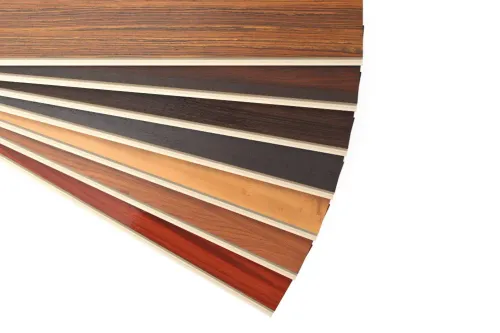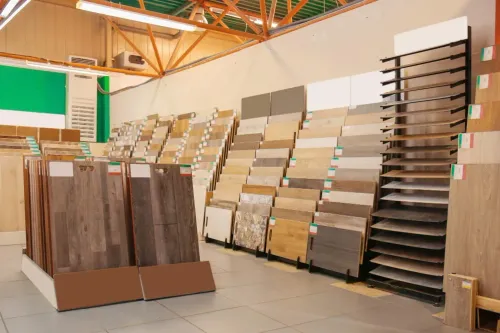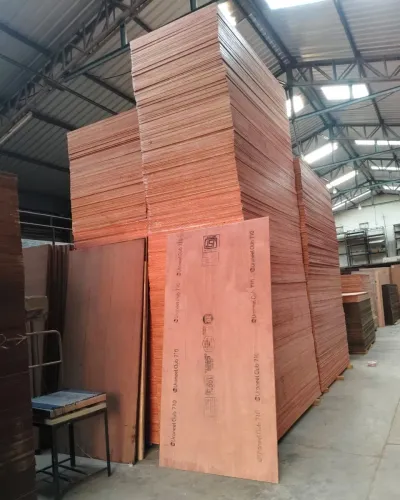
The quality of plywood influences the strength, appearance and useful life of furniture. Yet many buyers evaluate a plywood manufacturer mainly through surface samples and pricing. A more dependable assessment examines how the material is constructed, tested, graded and supplied.
Architects, furniture manufacturers and contractors in Pune can use the following factors to make a more informed evaluation.
Raw Material Selection
Plywood is formed by bonding layers of wood veneer with adjacent grains arranged in different directions. The quality, thickness and preparation of these layers affect the finished panel.
A responsible manufacturer should maintain control over raw material selection and veneer drying. Excessively wet or unevenly dried layers can contribute to warping, bonding problems and dimensional instability.
Buyers should ask what type of timber is used for the core and whether the construction is appropriate for the intended application.
Bonding Quality
Adhesive bonding holds the plywood layers together. Weak or inconsistent bonding may cause separation when the board is cut, exposed to changing conditions or placed under stress.
When reviewing samples, inspect the edges for visible separation. A clean-looking face should not distract from defects inside the board. Technical specifications and applicable test information can provide additional confidence for significant orders.
Core Uniformity
A high-quality panel should have a compact and reasonably even core. Large internal gaps can reduce screw-holding capacity and create problems when the sheet is cut into narrow sections.
Core quality becomes especially important for:
- Hinged cabinet shutters
- Drawer systems
- Bed structures
- Tall wardrobes
- Office furniture
- Shelving under load
- Frequently dismantled modular units
Furniture manufacturers using CNC equipment also benefit from consistent internal construction because it supports cleaner machining.
Dimensional Accuracy
Manufacturing consistency matters as much as the performance of an individual sheet. Variations in thickness, squareness or sheet size can slow down fabrication and affect final alignment.
Bulk buyers should compare multiple sheets from a batch rather than relying on one selected sample. This is particularly relevant for modular furniture production and large real estate projects.
Surface Quality
The face should be sufficiently even for the proposed finish. Decorative veneer, laminate, paint and polish each have different substrate requirements.
Inspect the sheet under angled light to identify depressions, raised fibres or repairs. Minor face variations may be acceptable for hidden structural components but unsuitable beneath a premium decorative surface.
Product Identification
Clear product labelling helps buyers distinguish between grades and trace supplies if an issue arises. Project teams should record the selected product, thickness, quantity and intended application.
This prevents accidental substitution at the workshop or construction site. It also makes repeat ordering more reliable.
Technical Guidance
A capable plywood manufacturer or authorised supplier should be able to explain where each product can and cannot be used. Vague claims that one board is suitable for every application should be treated cautiously.
National Veneer and Ply supports architects, contractors and furniture professionals evaluating plywood for projects across Pune. Practical conversations about moisture exposure, hardware, finishing and expected load are more useful than generic product descriptions.
Supply Reliability
A product may perform well, but it must also be available when required. Check production capacity, lead times, minimum order quantities and consistency between repeat batches.
For phased developments, matching material supplied several months apart may be important. Agreeing on specifications at the beginning reduces the risk of unexpected changes.
Selecting a manufacturer is ultimately a quality-control decision. Raw materials, bonding, core structure, dimensional accuracy and supply discipline all contribute to the final result. Careful evaluation protects both the buyer’s investment and the reputation of the professionals responsible for the completed interior.
Keywords