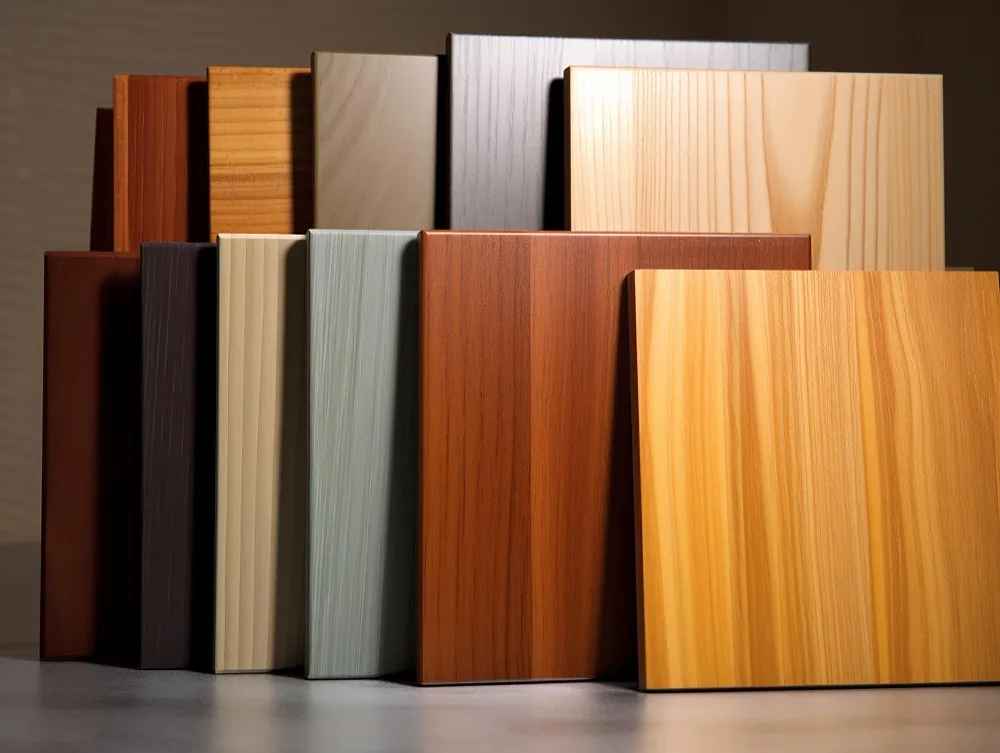
Visiting a laminate showroom can be exciting, but the number of colours, patterns and textures available may quickly become overwhelming. A surface that looks attractive in a catalogue may not necessarily suit the lighting, furniture design or everyday use of a particular room.
Preparing before the visit helps homeowners, architects, interior designers and contractors compare options more effectively and avoid decisions based only on appearance.
Begin with the Application
The right laminate depends on where and how it will be used. Kitchen shutters, wardrobes, office desks and retail counters face different levels of moisture, handling and cleaning.
Before visiting a showroom, note the surfaces that need laminates and consider:
- Frequency of daily use
- Possibility of moisture exposure
- Amount of natural sunlight
- Expected cleaning routine
- Risk of scratches
- Desired colour palette
- Size of each finished surface
This information allows the showroom team to recommend suitable options instead of presenting an unnecessarily broad selection.
Bring Relevant Project Samples
Carry flooring pieces, wall paint references, fabric swatches, countertop samples and furniture drawings wherever possible. Digital photographs of the room are also useful.
A laminate should be evaluated as part of the entire interior palette. A warm wood pattern may look attractive alone but clash with cool-toned flooring. Similarly, a dark laminate can appear sophisticated on a sample yet make a compact room feel visually heavy.
Compare Different Surface Finishes
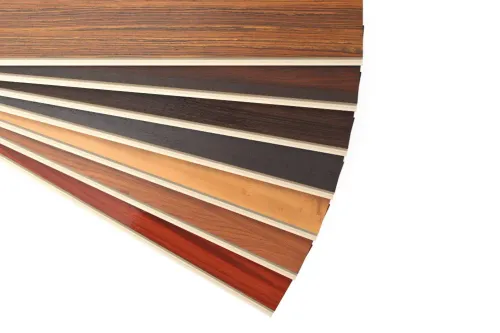
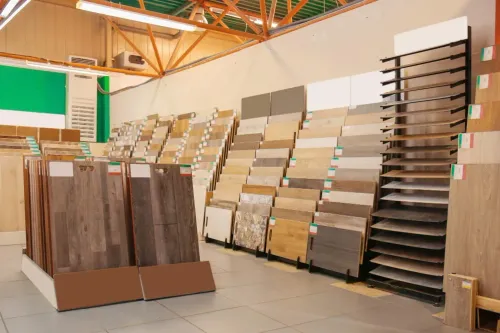
Laminate showrooms commonly display matte, gloss, textured, suede, wood-grain and stone-inspired finishes. Each creates a different visual effect and maintenance experience.
Glossy finishes reflect light and can make certain furniture elements stand out. However, they may reveal fingerprints and minor surface marks more easily.
Matte laminates create a softer appearance and often suit contemporary furniture. Textured surfaces add tactile depth but should be checked for ease of cleaning, particularly in kitchens and commercial areas.
Touching the samples is just as important as viewing them.
Check Colours Under Different Lighting
Showroom lighting can influence the way colours appear. A neutral grey may look warm under yellow lighting and slightly blue under cooler light.
Move shortlisted samples between different lighting areas. Final approval should ideally happen at the actual project location, where daylight, flooring and wall colours can be considered together.
This is particularly relevant in Pune, where apartment orientation and surrounding development can significantly affect indoor daylight.
Examine the Pattern at a Larger Scale
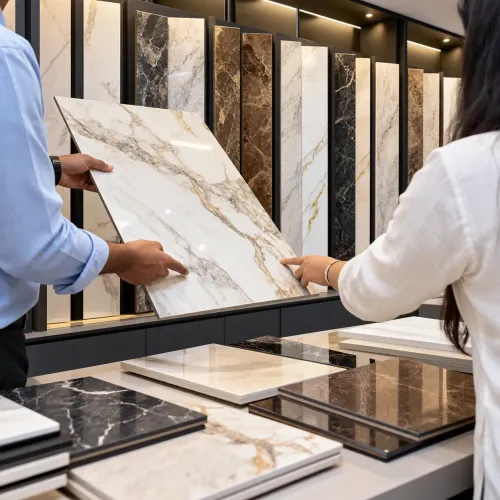
A small catalogue sample does not always reveal the scale or repetition of a wood, stone or abstract pattern. Ask to see a larger display or full sheet whenever possible.
For wood-pattern laminates, determine whether the grain should run vertically or horizontally. Consistent grain direction across adjoining shutters can make modular furniture appear more organised.
Coordinate Edges and Hardware
The finished appearance depends on more than the face laminate. Edge bands, handles, profiles and hardware should be considered at the same time.
Ask whether a closely matching edge band is available. A deliberate contrast can also work, but it should be part of the design rather than an accidental mismatch.
Ask About Availability
Before finalising a design, confirm:
- Sheet dimensions
- Current stock availability
- Expected delivery time
- Matching edge-band availability
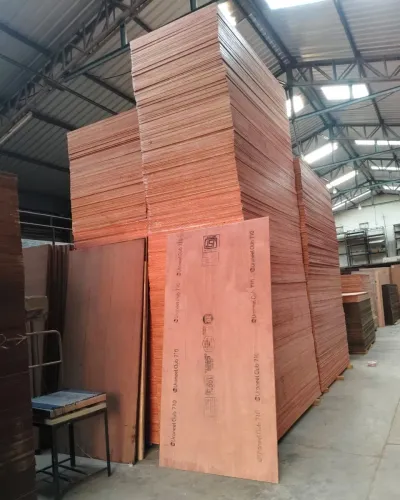
- Recommended substrate
- Fabrication requirements
- Cleaning instructions
- Availability for repeat orders
National Veneer and Ply offers laminate, veneer and plywood options for residential and commercial interior requirements in Pune. Viewing these materials together can help buyers create a coordinated selection rather than choosing each component separately.
A productive laminate showroom visit should result in a small group of practical, well-matched options. Take the shortlisted samples to the project site, review them with the designer or fabricator and record the approved product details before ordering.
This approach makes selection easier and reduces the possibility of costly changes after furniture production has begun.
Keywords