Veneer and plywood provide the foundation for many customised interiors, but materials alone do not determine the quality of the result. Craftsmanship influences alignment, structural stability, grain continuity, edge finishing and the movement of every shutter or drawer.
Two furniture pieces made from similar materials can perform very differently because of how they were constructed.
Precision Begins with Measurement
Furniture fabrication should start with verified site measurements and detailed drawings. Walls, floors and ceilings may not be perfectly straight, particularly in existing buildings.
Designers and craftsmen need to account for:
- Skirting
- Wall variations
- Electrical points
- Plumbing access
- Floor levels
- Shutter movement
- Appliance clearances
- Installation gaps
Accurate planning reduces uneven fillers and last-minute cutting at the site.
Cutting Quality Affects Assembly
Clean and square cuts allow components to align correctly. Chipped laminate, damaged veneer or uneven edges can make an otherwise strong unit appear unfinished.
Machinery can support accuracy, but blade condition, sheet support and operator judgement remain important.
Components should be marked clearly after cutting so their direction and position are not confused during assembly.
Joinery Supports Strength
Different furniture forms require different joining methods. A display shelf, bed, wardrobe and kitchen cabinet experience different loads.
Screws must be appropriate for the plywood thickness and positioned with sufficient edge distance. Hardware installed too close to the edge can damage the board layers.
Loaded shelves need adequate supports, while large shutters require a suitable number of hinges.
Veneer Matching Requires Care
Natural veneer contains individual grain patterns. Craftsmen must arrange sheets deliberately before pressing them onto plywood.
Book matching can create mirrored designs, while slip matching produces repeated grain direction. For some interiors, a carefully planned random layout creates a more relaxed appearance.
Grain alignment across adjacent shutters or drawers contributes significantly to perceived quality.
Balanced Panels Improve Stability
Large panels should be constructed with attention to both faces. Applying a decorative surface to only one side can create uneven tension.
A suitable balancing material on the reverse side helps support stability. This detail may remain hidden after installation, but it reflects technically informed craftsmanship.
Edge Treatment Shows Attention to Detail
Furniture edges are frequently touched and are easily visible. Uneven edge bands, sharp corners or poorly finished lipping reduce both comfort and appearance.
Veneered edges require careful preparation and controlled sanding. Laminate edges should be properly bonded and trimmed without damaging the face.
Finishing Enhances the Material
Veneer polishing should highlight the grain without creating cloudy patches or uneven colour. Surface preparation, sanding sequence and coating application all affect the final appearance.
A trial sample helps confirm colour and sheen before the complete furniture set is finished.
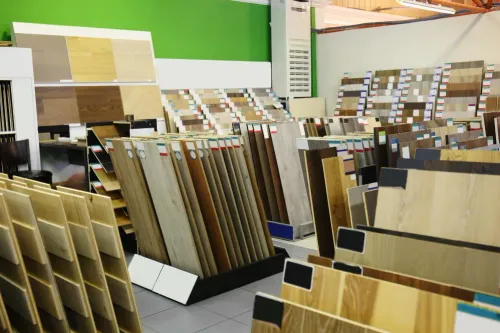
National Veneer and Ply supplies veneer, plywood and decorative surfaces for customised furniture projects in Pune. Coordination between the material provider, designer and craftsman helps ensure the chosen products are suitable for the intended fabrication process.
Buyers comparing furniture quotations should ask about construction methods as well as material brands. Skilled workmanship can reduce wastage, improve hardware performance and create cleaner detailing.
Craftsmanship is what turns a material specification into furniture that feels considered. It is visible in alignment and finishing, but its deeper value lies in the structural decisions that allow the furniture to perform reliably.
Keywords