
The materials used in an interior project have a lasting impact on durability, appearance, and environmental responsibility. As awareness of sustainable construction continues to grow, architects, interior designers, builders, furniture manufacturers, and homeowners are paying closer attention to how materials are produced. Choosing products made through Sustainable Manufacturing Veneer and Plywood practices allows buyers to balance quality with responsible resource management.
In a growing city like Pune, where residential, commercial, and institutional developments continue to expand, there is increasing demand for interior materials that not only perform well but are also manufactured with long-term sustainability in mind. Understanding what sustainable manufacturing involves helps buyers make informed decisions that benefit both their projects and the environment.
What Is Sustainable Manufacturing in Veneer and Plywood?
Sustainable manufacturing focuses on producing veneer and plywood using efficient production methods, responsible sourcing of raw materials, and processes that minimise waste while maintaining consistent product quality.
Instead of concentrating only on the finished product, sustainable manufacturing considers every stage of production, including:
- Responsible timber utilisation
- Efficient manufacturing processes
- Better material optimisation
- Quality-focused production
- Reduced production waste
- Long-lasting product performance
These practices contribute to interiors that require fewer replacements over time, supporting a more sustainable approach to construction and design.
Why Sustainable Manufacturing Matters
Furniture and interior installations are long-term investments. Selecting durable materials manufactured with responsible practices reduces the likelihood of premature replacement and unnecessary resource consumption.
Some important advantages include:
- Better long-term value
- Consistent product quality
- Efficient use of natural resources
- Improved durability
- Greater confidence in material performance
- Support for environmentally conscious construction
For businesses handling large commercial projects, these benefits also contribute to better lifecycle value and reduced maintenance costs.
Where Sustainably Manufactured Veneer and Plywood Are Used
These materials are suitable for almost every type of interior application.
Common uses include:
- Residential furniture
- Modular kitchens
- Bedroom wardrobes
- Office workstations
- Reception areas
- Conference rooms
- Hotel interiors
- Retail displays
- Educational institutions
- Decorative wall panelling
Their versatility allows designers to create elegant interiors while supporting responsible material selection.
Key Features to Look For
When evaluating veneer and plywood, buyers should consider more than appearance alone.
Important factors include:
Manufacturing Consistency
Products should demonstrate uniform thickness, reliable bonding, and consistent finishing across production batches.
Material Strength
Durable plywood forms a stable foundation for furniture, while quality veneer enhances visual appeal without compromising performance.
Design Flexibility
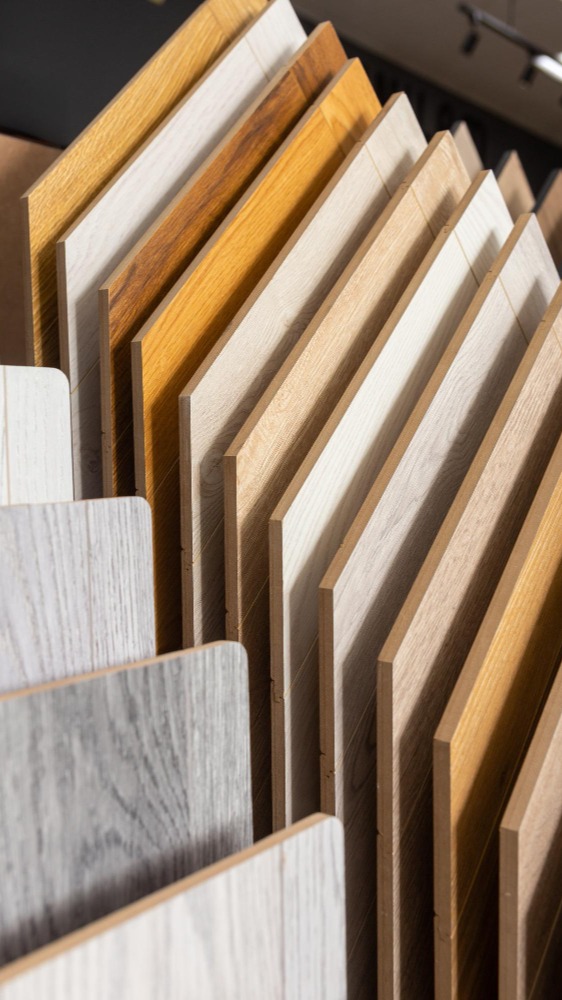
Sustainably manufactured products are available in a wide range of wood species, grains, textures, laminates, and finishes, allowing designers to create interiors suited to different architectural styles.
Long Service Life
Choosing durable materials helps reduce repair, refurbishment, and replacement over the years, making interiors more cost-effective in the long run.
Questions Buyers Should Ask Before Purchasing
Whether purchasing for a home or a large commercial development, asking the right questions can simplify the decision-making process.
Consider discussing:
- How are the veneer and plywood manufactured?
- Are quality standards maintained consistently?
- What product options are available for different applications?
- Can the supplier support bulk project requirements?
- Are complementary materials such as veneers, laminates, and decorative panels also available?
These questions help identify suppliers capable of supporting both current and future project needs.
Common Misconceptions
There are several misconceptions surrounding sustainably manufactured interior materials.
One common belief is that sustainable products offer fewer design options. In reality, modern manufacturing provides a wide variety of colours, textures, grains, and finishes suitable for contemporary as well as traditional interiors.
Another misconception is that sustainable manufacturing automatically means significantly higher costs. While product specifications vary, quality materials often deliver better long-term value through improved durability and reduced maintenance requirements.
Why Sustainable Manufacturing Is Becoming More Important in Pune
Pune continues to witness rapid urban development across residential communities, commercial complexes, hospitality projects, and educational institutions. As project owners become more conscious of material quality and environmental responsibility, sustainably manufactured veneer and plywood are gaining greater acceptance.
Architects and interior designers increasingly recommend products that combine attractive finishes with dependable structural performance while supporting responsible manufacturing practices. This approach aligns with the growing emphasis on creating interiors that remain functional and visually appealing for many years.
National Veneer and Ply supplies veneer, plywood, laminates, cork sheets, and decorative surface materials for residential and commercial projects across Pune. By focusing on consistent manufacturing quality and a broad product portfolio, the company supports architects, contractors, furniture manufacturers, developers, retailers, and homeowners seeking dependable interior material solutions.
Choosing products made through Sustainable Manufacturing Veneer and Plywood practices is about making informed decisions that benefit both today's projects and tomorrow's needs. Durable construction, responsible production methods, and versatile design options allow buyers to create interiors that combine lasting performance with thoughtful resource utilisation, making them a practical choice for modern homes and commercial spaces alike.


